
About Ghost World
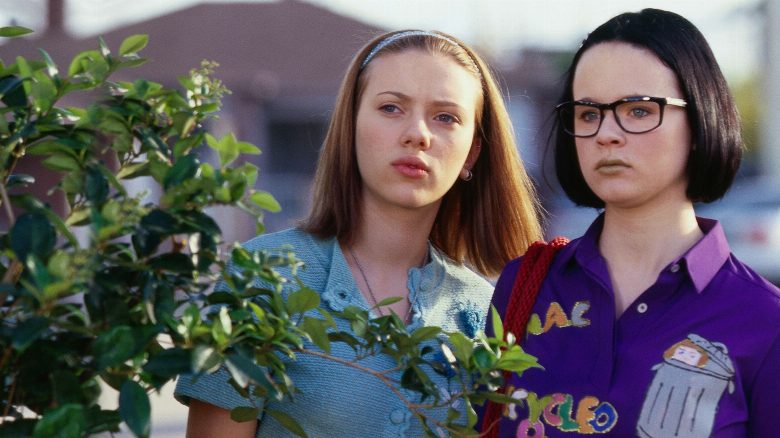
Two quirky, cynical teenaged girls try to figure out what to do with their lives after high school graduation. After they play a prank on an eccentric, middle aged record collector, one of them befriends him, which causes a rift in the girls’ friendship.
Navigating the bridge between adolescence and the crushing weight of adulthood is a rite of passage often romanticized in cinema, yet Ghost World chooses to dwell in the uncomfortable, sardonic margins of that transition. Set against the backdrop of an anonymous American suburbia that feels frozen in a state of decay, the film captures the specific malaise of two high school graduates who weaponize their biting wit to insulate themselves from a world they find fundamentally lacking. While Indian cinema has recently explored the complexities of youth identity through films like Dil Chahta Hai or the recent wave of coming of age dramas from the Malayalam industry, Ghost World occupies a different, more cynical headspace. It replaces the vibrant search for purpose with a stagnant, observant detachment that feels remarkably ahead of its time, mirroring the disillusionment found in contemporary indie storytelling.
At the heart of this narrative is the deteriorating bond between Enid and Rebecca, played with sharp precision by Thora Birch and Scarlett Johansson. Their dynamic is tested when a cruel joke aimed at a lonely, middle aged obsessive named Seymour, portrayed by Steve Buscemi, spirals into an unlikely and complicated connection. For audiences who appreciate the character driven explorations found in A24 style dramas or the nuanced portrayals of social outcasts in global independent films, this story serves as a seminal study in alienation. It avoids the typical tropes of graduation movies, opting instead for a melancholic look at how we outgrow our best friends and the people we once claimed to be.
Director Terry Zwigoff manages to balance the film on a razor thin edge between dark comedy and profound sadness. By focusing on the minutiae of collecting vintage records and the banality of suburban life, the film invites viewers to find depth in the mundane. It is particularly rewarding for those who seek cinema that does not provide easy answers or tidy resolutions. Rather than pushing its protagonists toward a grand epiphany, the film allows them to drift, highlighting the anxiety of not knowing where one fits in the grand scheme of things. It remains a essential watch for anyone interested in the evolution of the teen drama, as it captures the specific cultural moment when irony became the primary language of the disaffected youth. Whether you are a fan of character studies or simply interested in the history of alternative American cinema, this work stands as a testament to the power of the unsentimental gaze.
Cast(63)