
About Giddh: The Vulture
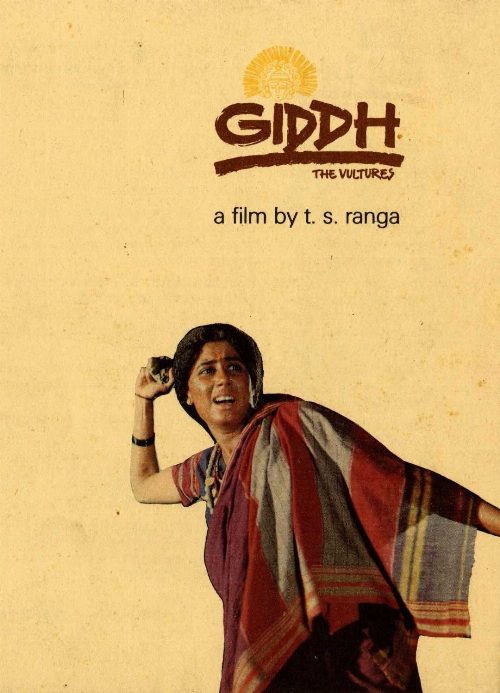
In a remote village at Karnataka-Maharashtra border in India, the poor residents follow Devdasi tradition according to which young girls are given up in the service of Goddess Yellamma.
T. S. Ranga delivers a harrowing exploration of social entrapment with Giddh, a film that remains a cornerstone of parallel cinema in India. Set against the stark, unforgiving landscape straddling the Karnataka and Maharashtra borders, the narrative unflinchingly confronts the dehumanizing weight of the Devdasi tradition. While mainstream cinema of the mid-eighties was often preoccupied with escapist romanticism or stylized action, this production chose to turn its lens toward the systemic exploitation of women under the guise of religious devotion. The film positions itself not merely as a period piece, but as a visceral indictment of a patriarchal structure that treats human lives as offerings to the divine.
The casting choices elevate this drama into a masterclass of intensity, bringing together the most formidable acting talents of the era. With Naseeruddin Shah, Om Puri, Nana Patekar, and Smita Patil headlining the ensemble, the screen crackles with a raw, almost uncomfortable authenticity. These actors were the vanguard of a movement that prioritized thematic depth and social realism over box office spectacle, and their collective presence ensures that the emotional stakes feel suffocatingly real. The performance by Smita Patil, in particular, captures the quiet agony and resilience of those caught in the gears of ancient, oppressive customs, offering a portrayal that lingers long after the credits roll.
Viewers who gravitate toward the grit of Indian new wave cinema or those interested in the darker, more introspective corners of regional history will find this film essential viewing. It is not an easy watch, nor is it intended to be, as it demands that the audience sit with the complexities of generational trauma and the fragility of individual agency. By focusing on the intersection of faith and subjugation, the film challenges the viewer to look past the surface of tradition to see the suffering it often masks. For students of Indian film history, Giddh stands as a testament to a time when directors were unafraid to provoke, unsettle, and demand change through the power of storytelling. It remains a stark reminder that some of the most powerful narratives are those that dare to shine a light into the shadows of society, refusing to look away even when the truth becomes difficult to bear.