About Gold Boy
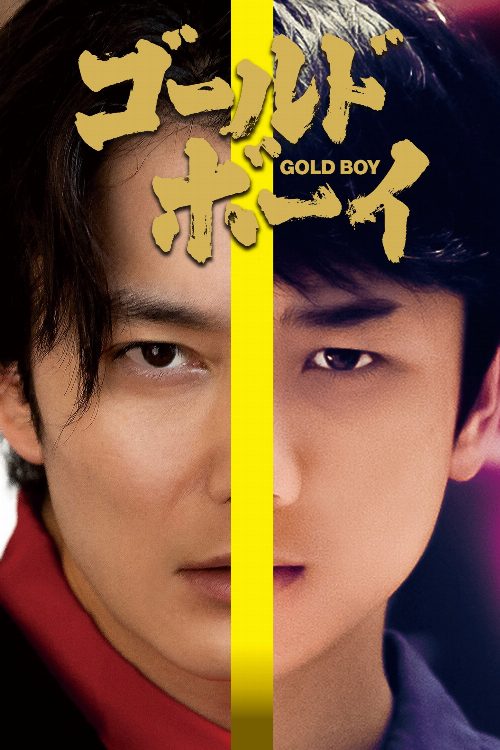
It was supposed to be a perfect crime... until it was witnessed. Based on a Chinese drama series with two billion total views, the film depicts a psychological battle between a murderer and three kids.
Shusuke Kaneko has long been a master of high-stakes tension, and his latest venture into the crime genre proves he has lost none of his edge. Gold Boy introduces a chilling premise where the line between innocence and malice dissolves, placing a calculated killer directly in the path of three observant children. By translating a massively popular Chinese narrative into a distinctively Japanese cinematic language, the film operates as a tense cat-and-mouse game that challenges the viewer to question who holds the real power in a confrontation of wits. Instead of relying on typical police procedural tropes, the story pivots toward the moral ambiguity of its characters, creating a claustrophobic atmosphere that feels both grounded and deeply unsettling.
The industry landscape is currently shifting toward dark, character-driven thrillers that prioritize atmosphere over spectacle, and this project fits perfectly within that evolution. It is fascinating to see such a high-profile Japanese production draw inspiration from international streaming giants, effectively bridging the gap between regional sensibilities and global crime-drama motifs. With Yosuke Eguchi and Masaki Okada anchoring the cast, the film benefits from veteran performances that add layers of gravitas to a story that could easily have veered into melodrama. The dynamic between the adult perpetrator and his juvenile adversaries provides a fresh take on the classic suspense formula, grounding the stakes in the psychological manipulation that occurs when the usual power dynamics of age and authority are stripped away.
Audiences who gravitate toward cerebral suspense, such as fans of tight, suspenseful thrillers or complex morality tales, will find plenty to dissect here. It is an ideal pick for those who enjoy stories where the protagonist is not necessarily a hero and the stakes are deeply personal rather than world-ending. The film is positioned as a must-watch for viewers who appreciate the precision of Japanese genre cinema and the way it handles themes of secrecy and societal expectation. By focusing on the unraveling of a meticulously planned scheme, the director invites us to watch a slow-motion collision between two generations, ensuring that the tension remains palpable from the opening sequence until the final act. If you are looking for a gritty, thought-provoking addition to your watchlist, this exploration of human greed and vulnerability offers a compelling look at the consequences of being seen when you least expect it.