
Lady Snowblood(1973)
About Lady Snowblood
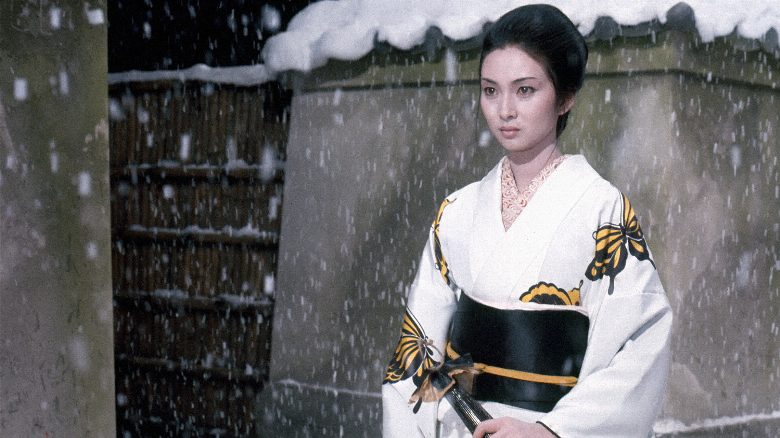
Yuki's family is nearly wiped out before she is born due to the machinations of a band of criminals. These criminals kidnap and brutalize her mother but leave her alive. Later her mother ends up in prison with only revenge to keep her alive. She creates an instrument for this revenge by purposefully getting pregnant. Yuki never knows the love of a family but only killing and revenge.
Few cinematic revenge sagas possess the icy precision and aesthetic ferocity found in the 1973 Japanese classic Lady Snowblood. While global audiences often associate this stylized masterpiece with the modern blockbusters that drew heavy inspiration from its visual language, the original film stands as a testament to the uncompromising nature of seventies period cinema. The narrative follows a woman forged in the fires of trauma, raised from birth for the sole purpose of dismantling the lives of those who destroyed her lineage. It is a stark exploration of how inherited rage functions as a substitute for human connection, positioning the protagonist as a weapon rather than a person. By stripping away the traditional warmth of familial bonds, the film forces the viewer to confront the hollow victory of vengeance, a theme that resonates deeply within the landscape of gritty, high-stakes international action dramas.
The film occupies a unique space in Japanese genre history, blending the formal elegance of traditional period dramas with the visceral, blood-soaked energy of exploitation cinema. For those who appreciate the current wave of high-octane thrillers coming out of the Indian industries, where directors frequently experiment with non-linear storytelling and heightened visual metaphors, Lady Snowblood offers a masterclass in atmospheric tension. It is not merely a story of blades and retribution but a deeply melancholy study of an individual denied a normal existence. The cinematography utilizes bold color palettes and sharp framing that feels surprisingly contemporary, making it a mandatory watch for cinephiles interested in the evolution of the vigilante archetype.
Viewers who gravitate toward films that prioritize mood and character-driven stakes over mindless spectacle will find much to admire here. The performance at the center of the story carries the weight of a lifetime of conditioning, anchoring the more flamboyant action sequences in a genuine, piercing sadness. As we look at how modern directors in the Telugu or Tamil industries are currently reimagining the anti-hero through complex psychological lenses, it is clear that the DNA of this production remains remarkably influential. Whether you are a devotee of classic international noir or simply a fan of stories that examine the heavy cost of settling scores, this film provides an essential look at the roots of modern cinematic violence. It remains a chilling, beautifully composed experience that demands attention for its uncompromising artistic vision and its influence on the global action lexicon.
Cast(20)