About Greenland: The Icy Eldorado
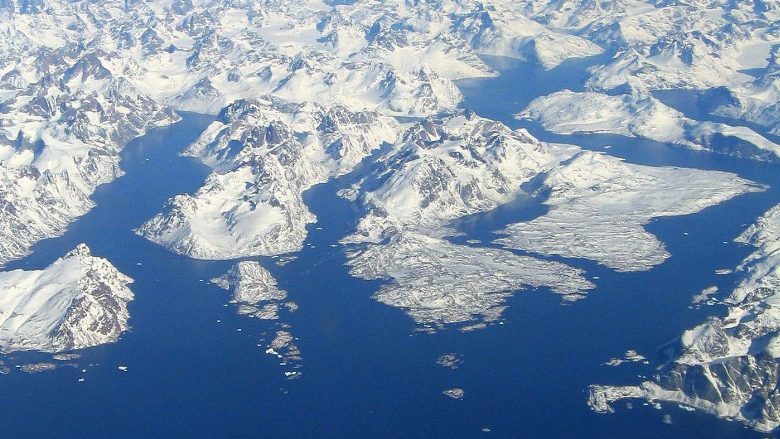
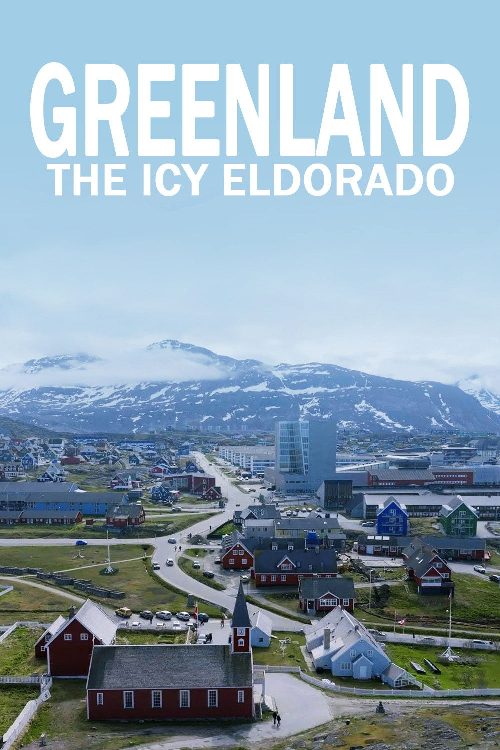
Greenland has become a major geopolitical issue between the United States, Europe, Russia, and China due to its geographical location and mineral resources. Its geopolitical destiny will have significant ecological consequences for the entire planet. What choice will the people of Greenland make? The largest island in the world, with its 2.2 million square kilometers covered 80% by ice, is also one of the least densely populated territories on Earth, with barely 57,000 inhabitants. Mainly living off fishing, tourism, and Danish subsidies, yet sitting on a potential treasure. We are talking about 25% of the world's hydrocarbon reserves, the third-largest uranium reserves, and 20% of rare earths. An icy Eldorado that today sparks all sorts of ambitions, one of the hotspots where the future of our multipolar world is being shaped. This is what the film will explore, addressing both its economic and commercial challenges, as well as its geo-ecological and military implications.
The shifting landscape of global power rarely finds a stage as stark and visually arresting as the frozen expanse of the Arctic. In Greenland The Icy Eldorado, the camera turns away from the traditional corridors of diplomacy to examine a territory caught in the tightening grip of competing superpowers. While the Indian film industry often navigates complex political narratives through the lens of regional identity and social justice, this French production takes a more clinical, globalist approach to the intersection of resource extraction and territorial sovereignty. By documenting the tension between indigenous autonomy and the predatory interests of major nations, the film positions itself as a vital piece of investigative storytelling that feels urgent for anyone invested in the future of international trade and environmental policy.
What makes this project particularly compelling is its refusal to simplify the precarious balance between economic gain and ecological preservation. Viewers who enjoy the sweeping, high-stakes narratives of geopolitical thrillers will find this documentary engaging, as it dissects the specific allure of rare earth minerals and untapped energy reserves hidden beneath the permafrost. It is a work that captures the irony of a quiet, sparsely populated island becoming the epicenter of twenty-first-century ambition. For those who track how global narratives are constructed, the inclusion of figures like Donald Trump and Vladimir Putin alongside local voices like Karl Sandgreen offers a jarring juxtaposition of power dynamics, effectively highlighting how the decisions of a few can alter the trajectory of a region that has remained largely isolated for centuries.
The film successfully bridges the gap between cold, hard economic data and the human stories of those living on the front lines of climate change. It is not merely a look at mineral wealth, but a reflection on the existential questions posed by a rapidly changing world order. Audiences who appreciate intellectual, thought-provoking cinema that challenges the viewer to think beyond domestic borders will find much to dissect here. By foregrounding the voices of those who call the island home, the production ensures that the focus remains on the people whose future is currently being negotiated in boardrooms thousands of miles away. It serves as a necessary reminder that the most significant battles for the future of the planet are often waged in the most desolate, beautiful, and overlooked corners of the globe.
Cast(31)