About Heroic Sons and Daughters
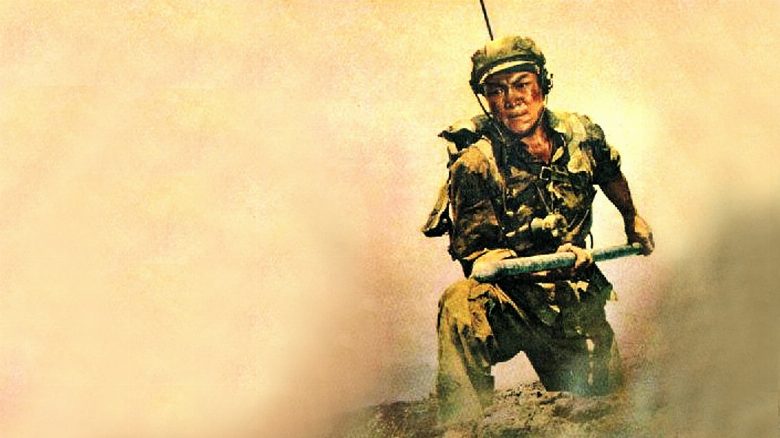
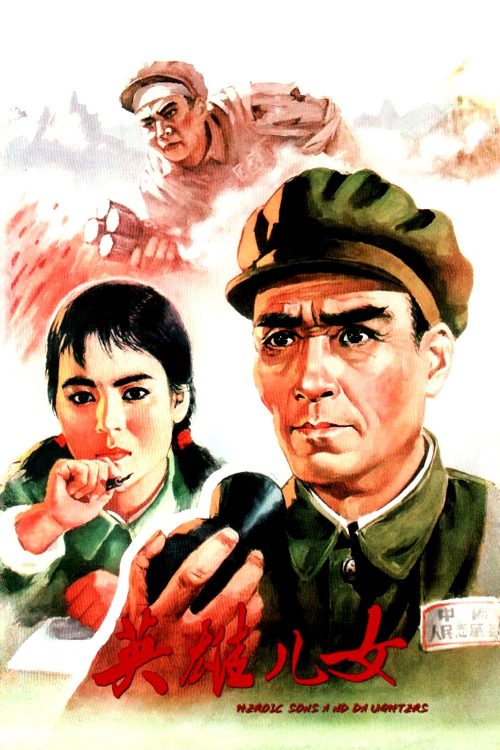
An army officer has a chance encounter with a young soldier, the son of an old comrade in arms. The soldier tells the officer he has a sister who is also in the army. When the young soldier is killed in action, the officer visits her to pay his respects, and recognizes her as his own child, given up for adoption 18 years earlier. This presents him with a dilemma, wanting to reconnect with the only child he ever had, yet reluctant to tell her the truth about her parentage ...
Few cinematic experiences capture the stark intersection of personal sacrifice and national duty quite like Heroic Sons and Daughters, a foundational piece of mid-century Chinese drama. Released in 1964, the film operates within the intense, emotionally charged atmosphere of war cinema, yet it distinguishes itself by grounding its massive geopolitical scale in the fragile intimacy of a father-daughter bond. By focusing on the quiet devastation of a soldier who discovers his long-lost child amidst the chaos of the battlefield, the narrative transcends typical combat tropes. Instead of merely highlighting tactical maneuvers or frontline bravado, the story invites audiences into a complex moral landscape where the protagonist must navigate the crushing weight of duty against his desperate, unspoken desire to reclaim a lost family connection.
The film is a quintessential example of the era's focus on ideological fervor and the human cost of conflict, reflecting a period when cinema was deeply intertwined with the state-building narratives of its time. For modern viewers accustomed to the high-octane spectacle of contemporary war films, this production offers a deliberate, character-driven pace that prioritizes psychological tension over explosive action. It serves as a fascinating historical artifact for those interested in the evolution of Eastern storytelling, showcasing how directors of that generation used the personal trauma of separation as a proxy for the broader social fractures caused by war. The performances are marked by a formal, stoic intensity that heightens the emotional stakes, making the central revelation feel earned rather than melodramatic.
Fans of classic world cinema and historical dramas will find much to admire in this measured approach to storytelling. It is not merely a film about military engagement, but a somber reflection on the ghosts of the past and the difficulty of forging identities in a landscape defined by loss. The chemistry between the cast, particularly in the scenes where the officer observes his daughter from afar, creates a palpable sense of longing that lingers long after the credits roll. By anchoring the narrative in the bittersweet reality of a secret parentage, the film remains a compelling study of how individuals attempt to maintain their humanity while serving in the machinery of total war. It stands as a testament to a specific moment in history, providing a window into the thematic preoccupations of a nation navigating its own path through the twentieth century.