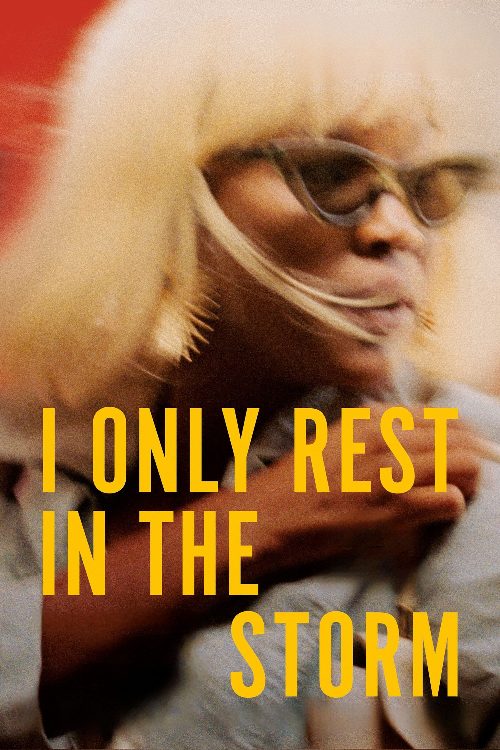
About I Only Rest in the Storm
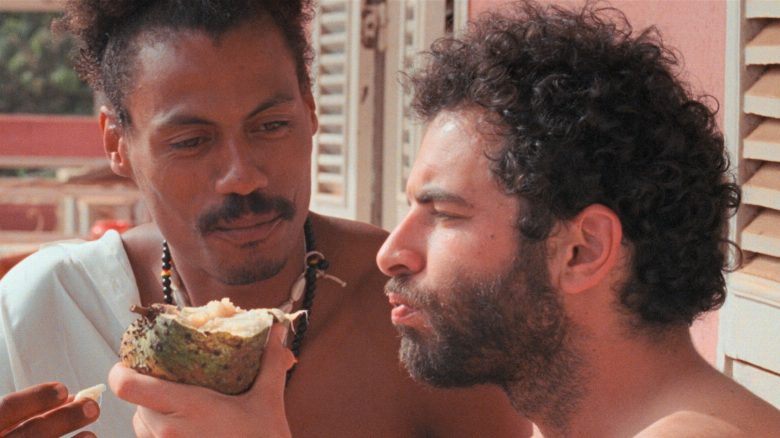
Sergio travels to a metropolis in West Africa to work for an NGO as an environmental engineer on a road project between the desert and the forest. There, he becomes entangled in an intimate yet unbalanced relationship with two inhabitants of the city, Diara and Gui. As neo-colonial dynamics among the expatriate community unravel, this fragile bond becomes his only refuge from an impending collapse into solitude or barbarism.
I Only Rest in the Storm arrives as a haunting meditation on the psychological erosion that occurs when displacement meets the structural weight of global industry. While the film is a Portuguese production, it resonates deeply with the current trend in world cinema that critiques the lingering shadows of neo-colonialism through the lens of individual isolation. By centering on an environmental engineer whose professional mandate to reshape the land inadvertently mirrors his own crumbling internal state, the narrative moves away from traditional geopolitical dramas. Instead, it prioritizes the claustrophobic intimacy of its three leads, Bruno Zhu, Edite Cabral, and Kody McCree, whose interactions feel less like a conventional love triangle and more like a desperate, symbiotic survival pact.
The film distinguishes itself by juxtaposing the vast, indifferent expanse of the West African landscape with the suffocating, artificial bubbles inhabited by expatriate workers. Viewers who gravitate toward slow-burn character studies, such as the works of Apichatpong Weerasethakul or the atmospheric tension found in contemporary Malayalam arthouse cinema, will find much to admire here. It is a film for those who appreciate sensory storytelling, where the sound of wind over the desert or the hum of machinery carries as much emotional weight as the dialogue. The director captures a specific kind of modern malaise, framing the protagonist not as a hero of development, but as a man caught in the gears of a machine that neither he nor his companions can fully control.
What makes this project particularly compelling is its refusal to offer easy moral clarity or a straightforward resolution to the power imbalances at play. The relationship between the outsiders and the local environment is rendered with a stark, unflinching honesty that mirrors the complex global dynamics seen in recent festival circuit darlings. As the narrative progresses toward its uncertain horizon, it poses unsettling questions about whether human connection can truly thrive in spaces built on exploitation. For audiences seeking a challenging cinematic experience that prioritizes mood, landscape, and the fragility of the human ego over formulaic plot beats, this film stands as a potent addition to the 2025 release calendar. It is a somber, visually evocative piece that lingers long after the screen goes dark, inviting reflection on the roles we play in the landscapes we occupy.