About Kisaragi
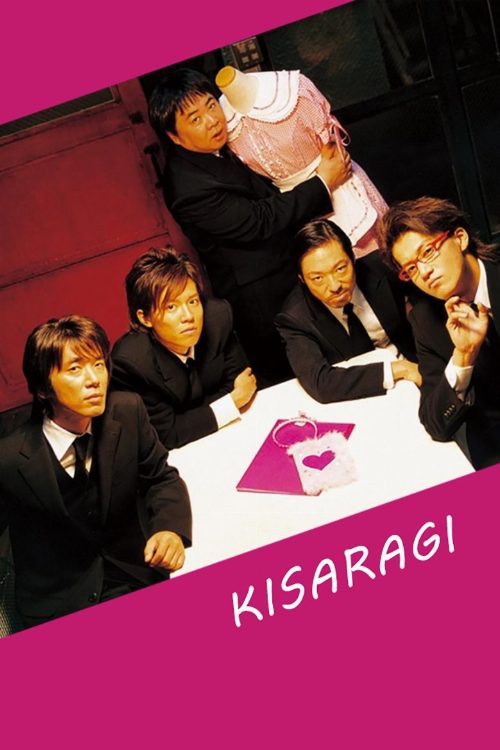
The fanclub of a deceased Japanese idol gather together for the one year anniversary of her death. By combining forces they try to unearth the true circumstances surrounding her supposed suicide.
The confined setting of a single room often serves as the ultimate crucible for character-driven storytelling, and few films leverage this theatrical intimacy as effectively as the 2007 Japanese cult favorite Kisaragi. Directed by Yuichi Satoh, this sharp-witted mystery subverts the expectations of the idol-worship phenomenon by locking five distinct personalities in an apartment to dissect the suspicious demise of a minor celebrity. While the premise may sound like a grim procedural, the film thrives on the escalating friction between its protagonists, transforming a somber memorial into a frantic, hilarious, and ultimately poignant investigation. It is a masterclass in ensemble acting, where the dialogue moves with the rhythmic precision of a stage play, demanding constant attention from the audience as each character peels back layers of their own obsession.
This film occupies a fascinating space in the landscape of Asian cinema, standing as a precursor to the modern obsession with fandom culture that has since permeated global media. For viewers accustomed to the high-stakes dramas of Indian cinema, where ensemble casts often gravitate toward sweeping family sagas or grand action spectacles, Kisaragi offers a refreshing change of pace. It strips away the spectacle to focus entirely on the psychology of the observer. The narrative trajectory mirrors the investigative rigor often seen in acclaimed thrillers from the Malayalam or Tamil industries, yet it anchors that intensity in a dry, self-deprecating humor that remains distinctly Japanese. It is an essential watch for those who appreciate locked-room mysteries that prioritize clever repartee over physical stunts or elaborate chase sequences.
The strength of the film lies in its stellar cast, including Yusuke Santamaria and Shun Oguri, who navigate the transition from erratic comedy to genuine dramatic inquiry with seamless grace. Their performances elevate what could have been a static experience into a dynamic exploration of grief, parasocial relationships, and the masks people wear to survive their daily lives. By focusing on the one-year anniversary of the idol's death, the script avoids the trap of being merely a whodunit, instead functioning as a mirror held up to the viewers themselves. Anyone who has ever felt a profound connection to an artist they have never met will find something deeply relatable in the desperation of these five men. Whether you are a dedicated follower of Japanese cinema or simply a fan of sharp, dialogue-heavy screenwriting, this movie remains a brilliantly constructed puzzle that rewards those who pay close attention to the smallest details.
Cast(7)







Crew
Director
Music
Editor
VFX Supervisor
Boom Operator
Writer
Gaffer
Similar Films