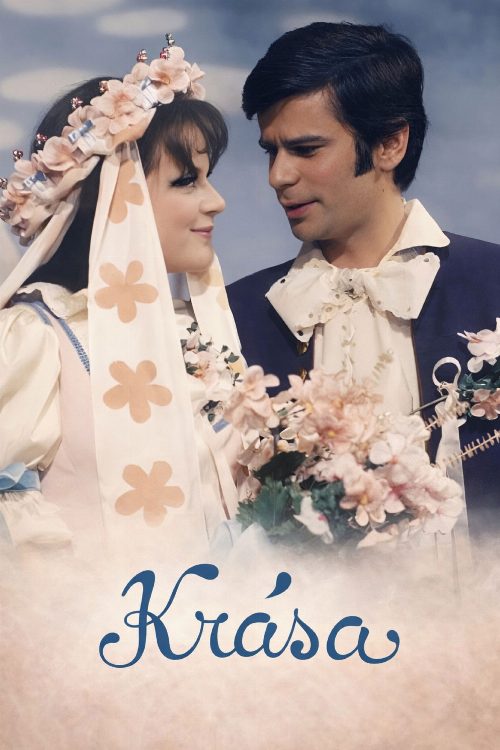
About Krása
The Czechoslovakian cinematic landscape of the late seventies often balanced grounded social realism with a distinct penchant for the whimsical, and Krasa remains a fascinating artifact of this duality. While the regional industries of India are currently undergoing a surge in high-concept mythology and folklore-inspired storytelling, this 1977 release offers a masterclass in how European filmmakers once utilized fantasy as a vehicle for exploring domestic dynamics. Rather than relying on the heavy spectacle that defines modern blockbusters, the film anchors its narrative in the intimate tensions of family life, treating the fantastical elements not as mere decoration but as catalysts for emotional growth. For audiences who appreciate the atmospheric, often slightly melancholic tone found in classic world cinema, this production serves as a testament to the power of subtle visual storytelling.
At its core, the film functions as an exploration of identity and expectation within a close-knit household. By choosing to frame its central conflicts through a lens of wonder, it manages to bypass the traditional pitfalls of the domestic drama, offering instead an ethereal experience that feels both timeless and deeply rooted in its specific era. The performances, led by Tatjana Medvecka, are notably restrained, allowing the audience to project their own experiences onto the characters as they navigate a world that is shifting beneath their feet. It is a work that rewards the patient viewer, someone who finds joy in the quiet interplay of dialogue and the deliberate pacing that characterized much of the Eastern European output during this decade.
This film is particularly relevant for cinephiles interested in the evolution of fairy-tale logic in cinema. Much like the recent wave of experimental dramas coming out of the Malayalam or Telugu industries that attempt to deconstruct family legacies, Krasa avoids easy answers. It is positioned as a thought-provoking piece that bridges the gap between childhood innocence and the stark realities of adult decision-making. Whether viewed as a historical curiosity or an artistic achievement, the work remains an evocative example of how fantasy can be used to mirror the complexities of the human condition. It stands as a reminder that the best stories are those that remain open to interpretation, inviting us to look past the surface of the screen to find the universal truths hidden within the narrative fabric.