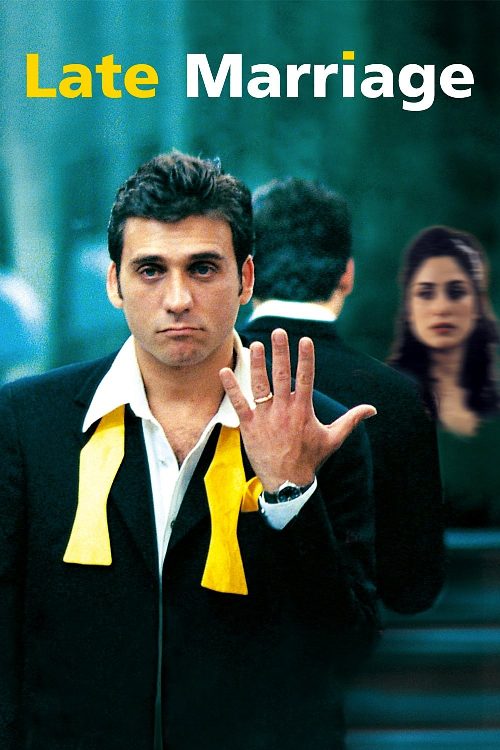
About Late Marriage
Zaza is a 31-year old Israeli bachelor, handsome and intelligent, and his family wants to see him married. But tradition dictates that Zaza has to choose a young virgin. She must be beautiful and from a good family, preferably rich. Zaza's parents, Yasha and Lily drag Zaza to meet potential brides and their families. Zaza has no choice. He plays along with his family, advocates of the suffocating traditions of their Georgian Jewish heritage. But Zaza always manages to somehow get out of being engaged. What his parents don't know is that Zaza is already in love. Judith is sensuous, strong and intriguing. She's also a divorcée with a 6-year-old daughter. So Zaza has kept Judith a secret from his family. He will have to choose between respect of the strict confines of family and tradition, or the love of his life.
The suffocating weight of domestic expectation often serves as a primary friction point in global cinema, yet few films articulate this tension with as much intimacy and biting wit as Late Marriage. Set against the backdrop of the Georgian Jewish community in Israel, the narrative navigates the delicate tightrope between ancestral loyalty and personal autonomy. Zaza, a man in his early thirties, finds himself trapped in a cycle of matchmaking rituals orchestrated by parents who view his bachelorhood as a societal failure. The film excels by positioning these familial pressures not as cartoonish villainy, but as a deeply entrenched cultural mandate that Zaza must navigate with both caution and desperation. For viewers familiar with the traditional family dramas found in Indian cinema, the themes of parental intervention and the societal shame associated with unconventional partnerships will feel strikingly universal.
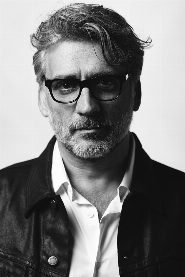
What elevates this story beyond a standard romantic conflict is the introduction of Judith, a woman who occupies a social space the protagonist’s family would deem entirely unacceptable. By falling for a divorcee with a child, Zaza challenges the very foundation of his upbringing. Director Dover Koshashvili masterfully contrasts the sterile, performative nature of the arranged meetings with the raw, lived-in reality of Zaza’s secret relationship. Lior Ashkenazi delivers a performance defined by restraint, portraying a man who is simultaneously a victim of his environment and a silent rebel against it. The chemistry shared with Ronit Elkabetz provides the necessary emotional anchor, transforming a potentially dry social critique into a compelling character study about the heavy cost of independence.
This film is essential viewing for audiences who appreciate character-driven storytelling that refuses to offer easy resolutions. It serves as a poignant reminder of how cultural heritage acts as both a protective shroud and a restrictive cage. Those who enjoy nuanced explorations of societal dissonance will find the script particularly sharp, as it avoids romanticizing the struggle between tradition and passion. By focusing on the quiet, painful choices that define adulthood, the movie cements its status as a timeless piece of international cinema. It speaks directly to anyone who has ever felt the crushing pressure to conform to the narrow definitions of success dictated by their kin, making it a resonant experience that lingers long after the final frame.
Cast(13)