Things(1995)
About Things
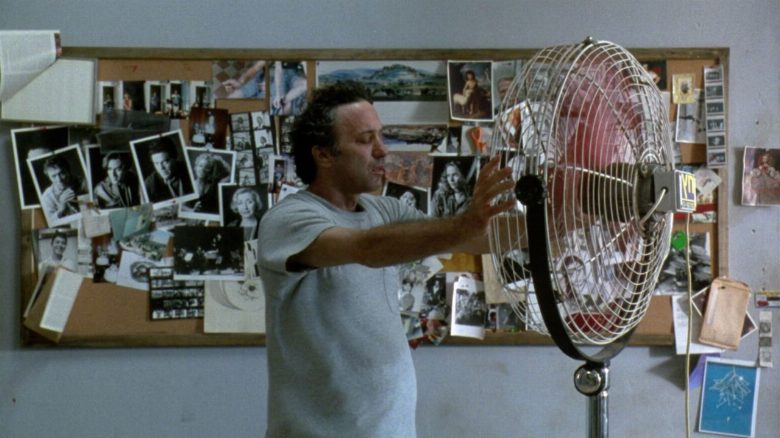
The story of three men living in Tel Aviv. They set off to attend a funeral. Unfortunately, they cannot find the right cemetery. Later the story shifts to their complex love lives.
Cinema often thrives when it captures the aimless, wandering energy of urban life, and the 1995 Israeli drama Things serves as a poignant example of this atmospheric storytelling. By anchoring its narrative in the physical confusion of a missed destination, the film moves beyond a simple road trip premise to explore the deeper psychological malaise of its central trio. In the landscape of mid-nineties Israeli independent cinema, this work stands out for its deliberate pacing and its refusal to offer easy resolutions, opting instead to let the audience sit with the quiet frustrations of its characters. While Indian audiences are accustomed to high-stakes emotional dramas that often rely on grand dramatic reveals, this film offers a refreshing, grounded alternative that prioritizes existential curiosity over spectacle.
The narrative trajectory begins with a logistical failure that forces these men into an unintended detour, turning a somber duty into an ironic meditation on direction and purpose. As the search for the burial site falters, the focus shifts seamlessly into the private spheres of their romantic entanglements and long-standing personal anxieties. It is a character study that feels particularly relevant for viewers who appreciate the slow-burn intensity found in modern Malayalam or independent Hindi cinema, where the environment is as much a character as the individuals occupying it. The ensemble cast, featuring established names like Assi Dayan and Lea Koenig, brings a seasoned gravity to the screen, grounding the script in a reality that feels both specific to Tel Aviv and universally relatable to anyone who has felt lost in the middle of their own life.
This film is positioned as essential viewing for those who prefer cerebral dramas that examine the fragility of human connections. It eschews the typical structure of a thriller or a traditional tragedy, choosing instead to focus on the small, messy ruptures in the lives of three middle-aged men trying to navigate the complexities of desire and memory. By focusing on the gaps between what people say and what they actually feel, the director invites the viewer to fill in the spaces with their own experiences of loss and longing. For fans of world cinema looking to explore the roots of contemporary Israeli storytelling, this piece remains a significant touchstone. It is a meditative look at how we wander through our own histories, often searching for closure in places where we were never meant to arrive, making it a timeless addition to any serious cinephile’s watch list.
Cast(36)