Le vie del Signore sono finite(1987)
About Le vie del Signore sono finite
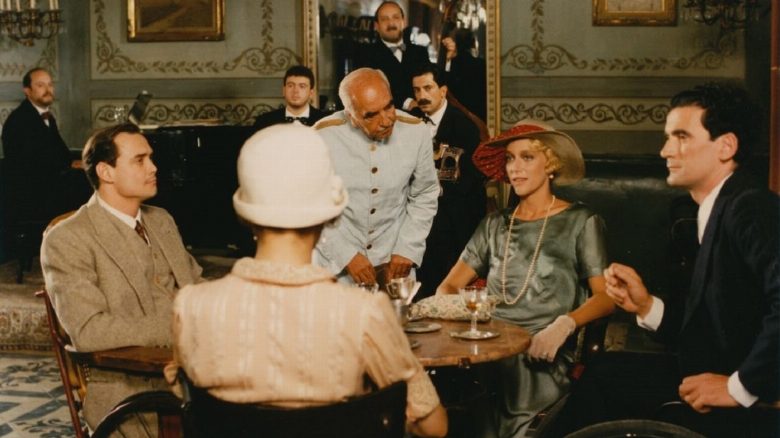
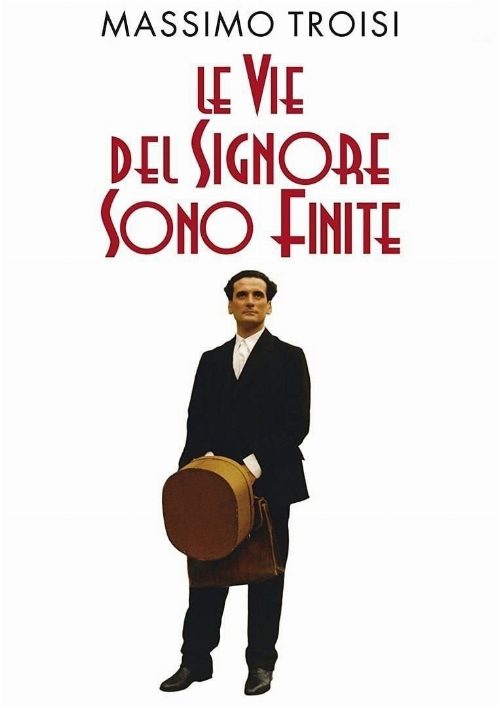
Set in Italy during the 1920s, a barber is in a wheelchair because of a psychosomatic illness after he lost the woman he loves.
Stepping away from the high-octane action dramas that currently dominate global streaming platforms, Le vie del Signore sono finite offers a fascinating time capsule of European comedic sensibilities from the late eighties. This Italian production captures a unique intersection of historical setting and intimate character study, focusing on a protagonist whose physical struggles are inextricably linked to his emotional turmoil. While modern audiences raised on the fast-paced narratives of Tollywood or Bollywood might find the pacing deliberate, there is a distinct charm in how the film maneuvers through the complexities of heartbreak and recovery. By placing a barber at the center of this narrative, the director taps into a classic trope of the town gossip and observer, grounding the whimsical elements of the plot in the grounded reality of a small community.
The film serves as a poignant reminder of how regional cinema, regardless of its origin, often finds its most compelling stories in the minutiae of personal grief. Much like the character-driven gems found in the Malayalam film industry, this story prioritizes internal growth over external spectacle. The premise of a psychosomatic ailment acting as a barrier to moving forward is handled with a blend of satire and empathy that feels remarkably ahead of its time. For viewers who appreciate films that balance lighthearted humor with a deeper exploration of human frailty, this work provides a refreshing alternative to the standard romantic comedy. It is particularly effective for those interested in the evolution of European comedy, offering a glimpse into a period where filmmakers were increasingly blending personal trauma with comedic timing.
The performance of the lead actor is central to why this project remains a notable entry in the catalog of classic Italian cinema. By portraying the barber with a mixture of vulnerability and stubbornness, the actor creates a character who is easy to root for despite his flaws. The 1920s backdrop is not merely aesthetic but functions as a structural element that highlights the social expectations placed upon the protagonist during his journey toward healing. Fans of world cinema who enjoy diving into older titles to understand the lineage of contemporary storytelling will find plenty to analyze here. It is an ideal pick for a weekend watch that demands a thoughtful engagement with its themes of loss and the unconventional paths individuals take to reclaim their own lives.
Cast(9)