Leon van der Zanden: Vruchtvlees(2013)
About Leon van der Zanden: Vruchtvlees
In the landscape of Dutch stand-up comedy, Leon van der Zanden has long carved a niche for himself by blending sharp observational humor with a restless, physical energy that demands the audience stay locked in. His 2013 special Vruchtvlees serves as a quintessential example of his ability to dissect the human condition through a lens that is both cynical and deeply vulnerable. Unlike many performers who rely on safe, recycled tropes, Van der Zanden treats the stage as a laboratory for existential inquiry. By focusing on the raw, often uncomfortable realities of modern life, he manages to peel back the layers of societal expectations, exposing the insecurities that lurk beneath our polished exteriors. This performance is not just a collection of jokes but a thematic exploration of authenticity in an era dominated by superficial posturing.
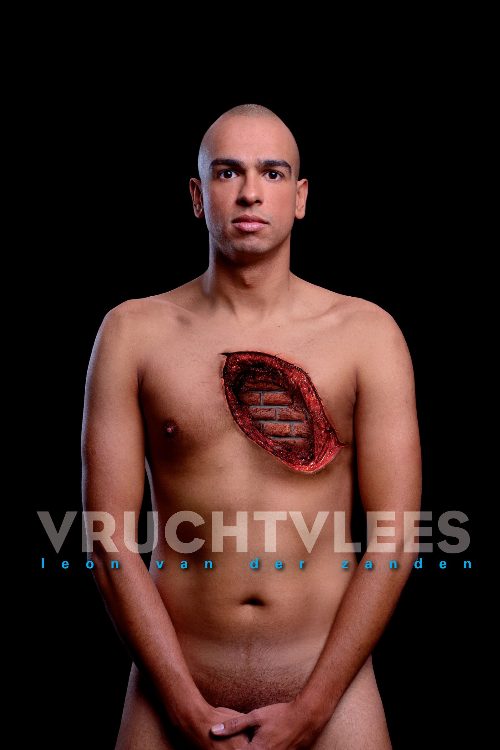
The title itself, which translates to flesh or pulp, hints at the comedian’s commitment to getting to the heart of the matter. Throughout the set, he navigates the complexities of relationships, personal identity, and the absurdity of mid-life transitions with a rhythmic delivery that keeps the room buzzing. Fans of European comedy who appreciate a performer who can pivot seamlessly from slapstick gestures to profound philosophical musings will find much to admire here. Van der Zanden possesses an intuitive sense of timing, knowing exactly when to lean into a punchline and when to let a moment of silence resonate with the crowd. His track record in the Netherlands remains defined by this specific duality, positioning him as a voice that challenges viewers to laugh at the very things that cause them the most anxiety.
For those looking to dive into the history of Dutch performance art, this special acts as a high-water mark for the comedian’s mid-career evolution. It is a must-watch for audiences who enjoy comedy that functions as a mirror, reflecting our own shortcomings back at us while somehow making the experience feel like an act of communal healing. While international audiences may require subtitles to grasp the full nuance of his wordplay, the physicality of his performance transcends linguistic barriers. By stripping away the artifice of a traditional comedy routine, Van der Zanden succeeds in creating a visceral connection with his spectators, proving that the most compelling stories are often the ones we are most afraid to tell ourselves. It remains a standout entry in his filmography for anyone interested in the intersection of vulnerability and wit.