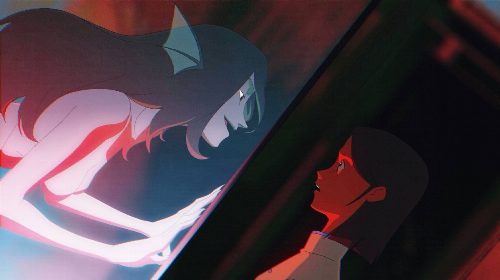
Like the Clouds, Like the Wind(1990)
About Like the Clouds, Like the Wind
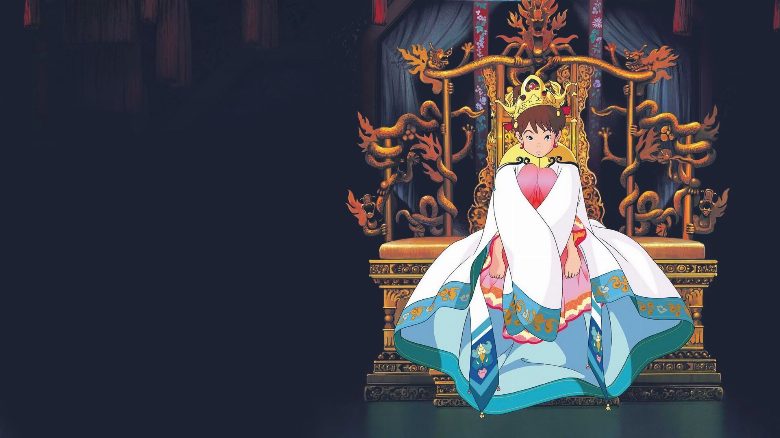
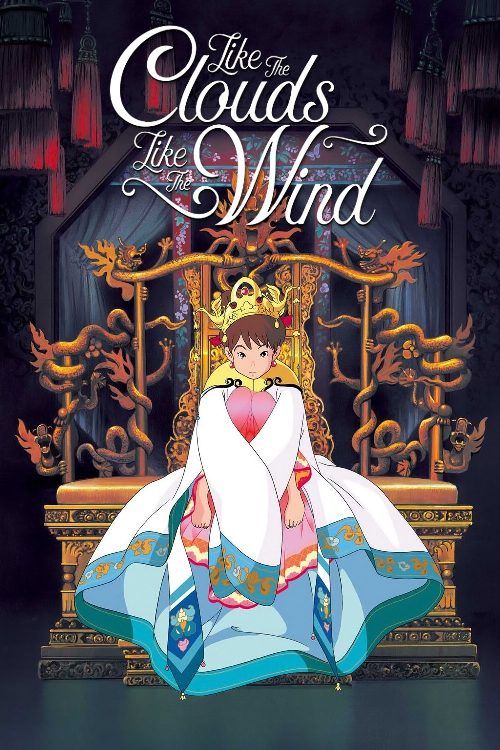
Ginga is a simple—yet energetic—country girl, living with her father far from the capital city of the empire in ancient China. When she learns of an opportunity to become a concubine of the young new Emperor, with the possibility of becoming his head wife in charge of all of the other wives, Ginga convinces her father to let her go. Once there, she meets all of the other potential head wives, each of whom have various reasons for being there. All of them must learn to read and write, learn the history of their country, and learn the proper mannerisms for being in the royal court. Ginga's enthusiasm tends to get her in trouble more often than not, but it works to her advantage when they learn that the former emperor's head wife, who is not the mother of the current emperor, is plotting treachery against the new emperor, and that a rebellion is headed toward the capital.
Spirited animation from the turn of the nineties often carries a distinct charm, and Like the Clouds, Like the Wind stands as a quintessential example of how period drama can blend seamlessly with lighthearted character studies. Set against a backdrop of ancient China, the story centers on a rural teenager named Ginga who ventures toward the imperial palace with grand ambitions of royal status. Unlike many contemporary narratives that frame concubinage through a lens of melodrama or tragedy, this feature opts for a refreshing perspective rooted in personal growth and academic rigor. Watching Ginga navigate the rigid etiquette of the court while maintaining her rustic integrity provides a compelling contrast that elevates the film beyond a simple historical romance.
For audiences accustomed to the high-stakes political intrigue often found in modern epic cinema, this film offers a grounded, humanistic alternative. It is easy to draw parallels between this story and the character-driven narratives currently favored in the thriving pan-Indian animation scene, where stories about the underdog finding their voice in a stratified society resonate deeply with viewers. The film functions as an early precursor to the modern subversion of courtly tropes, prioritizing the protagonist’s intellectual development and friendships over the traditional pursuit of romantic conquest. It captures the essence of a coming-of-age journey, making it a perfect watch for those who appreciate animation that balances whimsical comedy with the weight of political instability.
The production shines because it refuses to reduce its ensemble cast to mere archetypes, instead giving each potential consort a unique motivation for seeking power within the palace walls. As the shadow of an impending rebellion looms, the narrative tightens its focus, transforming what starts as a whimsical romp into a suspenseful test of character. Viewers who enjoy historical fiction that prioritizes female agency and sharp wit will likely find this title particularly rewarding. It remains a fascinating relic of its era, demonstrating a sophisticated approach to storytelling that feels just as relevant today for fans of international animation who crave depth, historical flavor, and a protagonist whose infectious energy drives the entire plot forward. Even decades after its original release, the film manages to feel vibrant and essential, serving as a reminder that the best period pieces are those that focus on the vibrant humanity of their leads rather than just the grandeur of their settings.