About Love at the End of the World
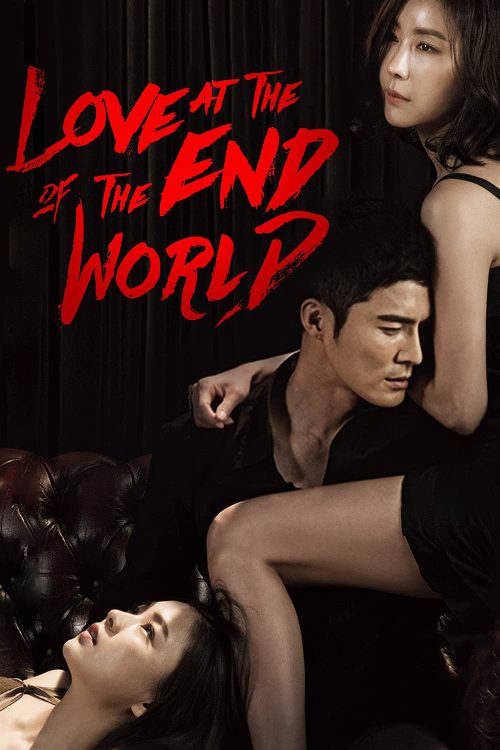
Ja-young lost her husband 3 years ago. One day, Dong-ha appears in front of Ja-young and her daughter Yoo-jin. Ja-young falls in love with Dong-ha who is tender. She begins to dream of happy life with Dong-ha. Meanwhile, Yoo-jin feels lonely since her mother is always busy with work. She begins to have feelings for Dong-ha.
South Korean cinema has long mastered the art of weaving intricate emotional webs, and Love at the End of the World serves as a haunting exploration of the fragility of familial bonds. Director Kim In-shik crafts a narrative that moves away from the typical tropes of romantic melodrama, opting instead for a somber examination of how sudden arrivals can destabilize a fragile household. The story centers on a widow attempting to rebuild her life, whose path crosses with a man who seems to offer the stability she has been craving. However, the film finds its true tension in the perspective of her young daughter, whose yearning for maternal attention is redirected toward this newcomer. It is a bold premise that challenges the viewer to navigate the uncomfortable intersection of grief, longing, and the shifting dynamics of a home in flux.
This production stands out for its willingness to probe the darker, more unsettling impulses that can manifest within a domestic setting. While many contemporary romance dramas lean into the comfort of predictable resolutions, this 2015 feature prioritizes a psychological intensity that is characteristic of the more provocative side of Korean storytelling. For audiences familiar with the regional industry trend of blending high-stakes emotional stakes with character-driven narratives, the film provides a stark contrast to the lighthearted rom-coms often exported globally. It is an ideal watch for those who appreciate cinema that lingers on the unspoken tensions between family members rather than focusing solely on the external romance. The performances by Han Da-gam and Kong Ye-ji are central to this experience, as they anchor the shifting allegiances and quiet resentments that define the domestic atmosphere.
Viewers who enjoy atmospheric dramas that prioritize mood and internal conflict over traditional plot progression will likely find themselves deeply drawn into this narrative. Kim In-shik effectively utilizes the pacing of the film to mimic the claustrophobia of a family living under the weight of past traumas and current desires. It is a cautionary tale about how easily the pursuit of personal happiness can inadvertently alienate those closest to us. By choosing to focus on the daughter's perspective alongside the mother's, the film avoids becoming a simple love triangle, transforming instead into a complex portrait of emotional isolation. For fans of world cinema who seek films that provoke conversation and demand a thoughtful, patient viewing experience, this piece remains a significant entry in the director's body of work, offering a somber look at the human cost of seeking love in the wake of tragedy.