About Mad Love
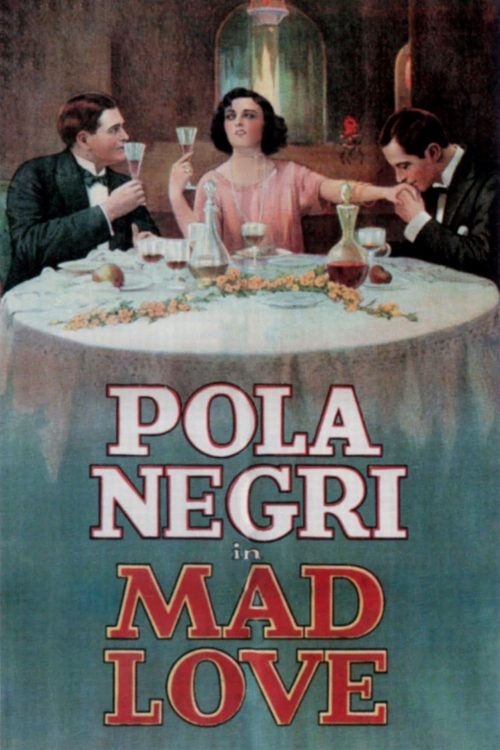
Richard de la Croix's brother, Andreas, has been driven insane by a notorious vamp and socialite named Sappho. A friend takes Richard to the Odeon to meet her, but when Sappho actually meets him, he is unaware that she is the woman who drove Andreas to be institutionalised. Sappho genuinely falls in love with Richard, and decides to leave her vampy ways and her older lover behind her so that she can have him.
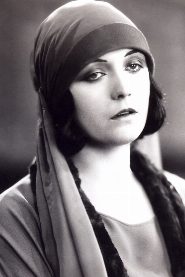
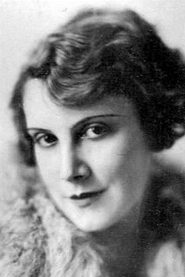
When exploring the roots of silent era cinema, few figures command as much screen presence as Pola Negri, whose performance in the 1921 drama Mad Love serves as a masterclass in the seductive, high-stakes storytelling characteristic of early European expressionism. Directed by Dimitri Buchowetzki, this film taps into the archetypal trope of the femme fatale, a character type that has remained a cornerstone of global dramatic traditions from classic Weimar cinema to the intense emotional landscapes found in contemporary Hindi and Telugu thrillers. The narrative centers on a socialite whose reputation for ruining lives precedes her, yet the twist arrives when she finds herself genuinely captivated by a man whose family she has already shattered. This creates a compelling moral friction that elevates the story beyond a simple melodrama, positioning it as a study of obsession and the potential for redemption.
For viewers who appreciate the evolution of romantic tension, this film acts as a fascinating precursor to the complex love stories that define modern international cinema. While contemporary Indian audiences might be accustomed to the high-octane emotional arcs of stars like Nayanthara or Deepika Padukone, the foundational intensity displayed by Negri in this production provides a glimpse into the raw, unadorned power of silent acting. It is an essential watch for those interested in the history of character-driven narratives where the protagonist is not merely a hero or villain, but a flawed individual caught in the gears of her own past mistakes. The film manages to maintain a sense of urgency that feels surprisingly relevant, proving that the theme of a person trying to outrun their reputation is a universal human experience.
Dimitri Buchowetzki utilizes the atmosphere of 1920s Berlin to craft a visual language that relies heavily on the nuanced expressions of his lead actors rather than dialogue. By focusing on the internal conflict of a woman who decides to abandon her cynical lifestyle for a chance at authentic connection, the film challenges the audience to empathize with an antagonist. It is this specific approach—humanizing the catalyst of the tragedy—that distinguishes the work from its contemporaries. Fans of classic cinema and students of character development will find much to admire in the way the plot balances the brother's tragic fate with the socialite's newfound sincerity. As a piece of cinematic history, it remains a testament to how effectively a single performance can command the focus of the entire screen, bridging the gap between the silent era and the sophisticated dramas we celebrate today.
Cast(8)