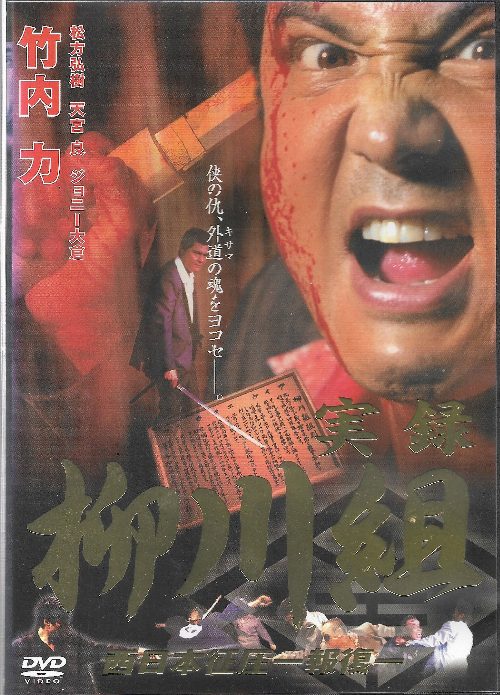
About Mafia Family Yanagawa - Part 2
The movie is set one year after the events of Mafia Family Yanagawa - Part 1, in which 8 Yanagawas faced off against 100 Devil Dragons in an epic bloody battle. Jiro Yanagawa (Takeuchi Riki) continues his feud with the Devil Dragons as he attempts to usurp their western territory.
Venturing back into the gritty underworld of Japanese cinema, Mafia Family Yanagawa Part 2 picks up the threads of a volatile power struggle that defined its predecessor. Director Takeshi Miyasaka returns to helm this installment, which leans heavily into the hyper-masculine aesthetics and high-stakes territorial conflicts that characterize the V-cinema movement. While many contemporary Indian action dramas rely on grand emotional arcs and musical interludes, this Japanese production strips away the spectacle in favor of a cold, calculated look at organized crime dynamics. It follows the central protagonist as he pushes deeper into hostile regions, escalating a conflict that serves as the backbone for the entire narrative trajectory.
The film functions as a stark contrast to the more polished, big-budget masala entertainers currently dominating the pan-Indian box office. Where films from the Telugu or Hindi industries might prioritize star-driven heroism and elaborate set pieces, this project finds its energy in the claustrophobic tension of street-level warfare. Audiences who appreciate the hard-boiled intensity of classic underworld sagas will find the methodical pacing and focused character motivations refreshing. It is a work designed for enthusiasts of the genre who prefer raw, visceral storytelling over sweeping romantic subplots, reflecting the distinct structural differences between the Japanese direct-to-video market and the mainstream theatrical landscape of South Asia.
The returning cast, including Ryo Amamiya and Johnny Ohkura, brings a practiced familiarity to their roles, grounding the heightened reality of the script with performances that emphasize stoicism over sentimentality. By focusing on the strategic expansion of influence, the story avoids the trap of repetitive action sequences, instead building a foundation of escalating dread. For viewers who have followed the evolution of international crime dramas, this sequel represents a quintessential example of how regional cinema can maintain momentum through character consistency and thematic commitment. It remains a notable entry for those looking to explore the darker, more industrial side of Japanese genre filmmaking, far removed from the colorful sensibilities typically seen in domestic Indian blockbusters. This piece of cinema serves as a reminder that the language of power and betrayal is universal, even when the cultural delivery systems vary wildly across global markets.