About Maresia
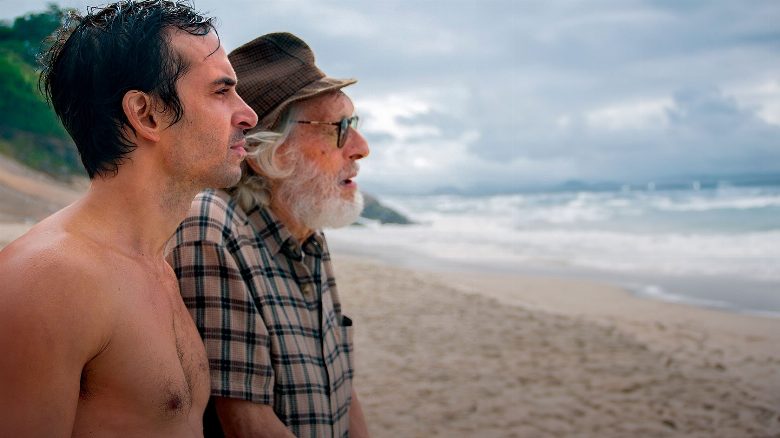
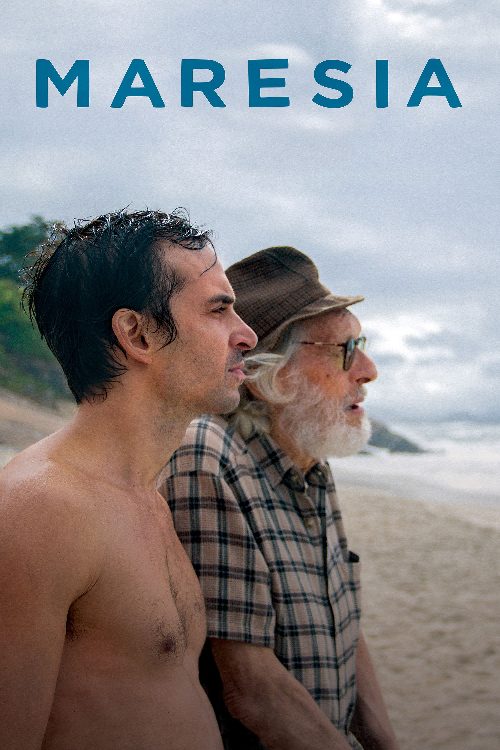
Where do you draw the line between fact and fiction in one man's life? That's the issue confronting an art expert delving into the biography of a painter who drowned 50 years ago, whose presence suddenly makes itself felt through the appearance of a contemporary friend.
The boundaries between historical legacy and personal obsession blur in the haunting Brazilian drama Maresia, a film that serves as a meditative investigation into how the past exerts a gravitational pull on the present. While the global cinematic landscape often favors fast-paced thrillers, this project takes a deliberate, atmospheric turn, inviting viewers into the quiet, dust-filled corners of the art world. It follows a researcher tasked with reconstructing the life of a reclusive painter who vanished into the ocean decades earlier. As the protagonist peels back layers of archival records and half-remembered anecdotes, the narrative pivots from a simple biographical inquiry into an unsettling psychological exploration. The film stands out for its commitment to ambiguity, refusing to provide easy answers about whether the artist was a visionary genius or a tragic figure defined by his own instability.
This production fits neatly into the lineage of cerebral South American dramas that prioritize mood and subtext over traditional plot mechanics. For audiences accustomed to the high-energy storytelling prevalent in Indian regional cinema, Maresia offers a striking contrast, functioning more like a slow-burn character study than a standard mystery. It will particularly appeal to cinephiles who appreciate films where the environment acts as a central character, as the seaside setting creates a pervasive sense of melancholy that mirrors the inner lives of the lead figures. The performance of Julio Andrade is essential here, as he anchors the film with an intensity that keeps the audience guessing about his true motivations, effectively bridging the gap between the historical subject and the modern-day investigator.
Director Marcos Guttmann demonstrates a keen eye for the visual language of longing, using the vast, indifferent expanse of the sea to represent the void left by a life cut short. By eschewing typical biopic tropes, the film positions itself as a sophisticated puzzle that demands patience and intellectual engagement from its audience. It is an ideal watch for those who seek out stories that challenge the reliability of memory and the ethics of documenting a dead man’s secrets. By keeping the connection between the researcher and the artist’s legacy perpetually shifting, the film succeeds in making the viewer feel the same sense of unease that haunts its characters. It is a rare example of a period-bridging narrative that feels entirely relevant to our current fascination with the subjective nature of truth and the way we consume the stories of those who are no longer around to defend themselves.
Cast(16)