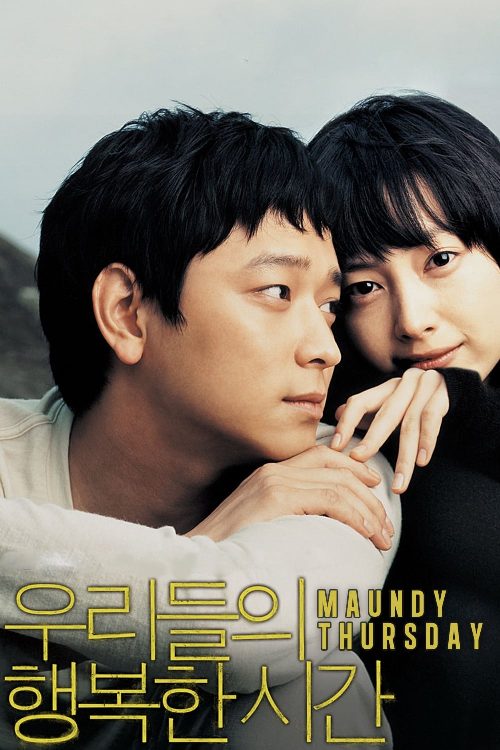
About Maundy Thursday
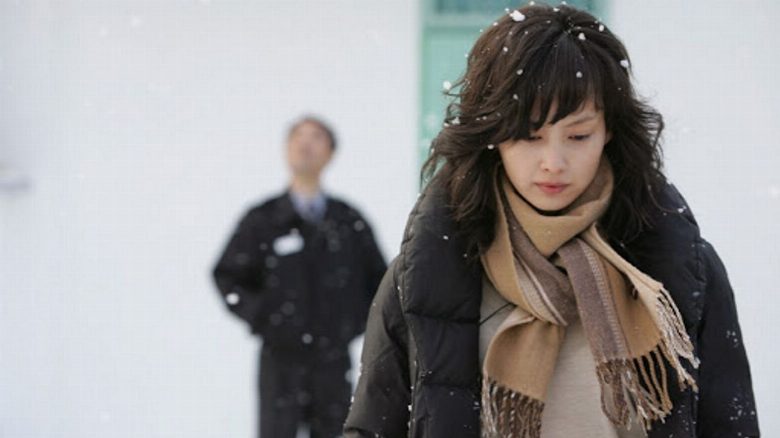
Yu-jeong is suicidal, yet she reluctantly goes to prison for volunteer work. There, she meets a prisoner who is waiting for death penalty. The two quickly fall in love despite their differences, yet they do not have much time.
Few cinematic experiences capture the fragility of the human spirit quite like the quiet, devastating intensity found in the 2006 South Korean drama Maundy Thursday. Directed by Song Hae-sung, this film navigates the heavy intersection of grief and redemption, moving far beyond the typical boundaries of the romance genre. By centering its narrative on an unlikely bond between a woman grappling with deep-seated trauma and a man facing his final days on death row, the movie forces its audience to confront the arbitrary nature of hope. It stands as a testament to the mid-2000s era of Korean cinema, a period defined by a willingness to explore bleak, existential themes through deeply intimate and grounded character studies.
For those accustomed to the high-octane thrillers or glossy melodramas often associated with international markets, this film offers a radical shift in pace. It is a slow-burn emotional journey that prioritizes silence and shared vulnerability over plot-driven theatrics. The performances from the ensemble cast provide a raw authenticity that makes the central connection feel earned rather than forced. While contemporary Indian cinema has seen a recent surge in gritty, realistic dramas that challenge social taboos, Maundy Thursday serves as a classic reference point for how to handle heavy subject matter with grace. It is a masterful example of how to build tension not through external conflict, but through the internal realization that time is the most precious resource of all.
Viewers who appreciate character-driven narratives such as the works of Lee Chang-dong or the poignant emotional depth found in modern Malayalam classics will find much to admire here. The film is perfectly suited for an audience that values philosophical inquiry alongside narrative storytelling. It does not provide easy answers about the morality of the justice system or the nature of forgiveness, opting instead to focus on the transformative power of being witnessed by another person. Because the film avoids the saccharine tropes of standard romantic tragedies, it remains a haunting watch that lingers in the memory long after the credits roll. Whether you are a dedicated student of global cinema or simply a fan of stories that examine the complexities of the human condition, this piece of Korean history remains an essential, albeit somber, entry point into a world where connection is found in the most unlikely of places.
Cast(29)