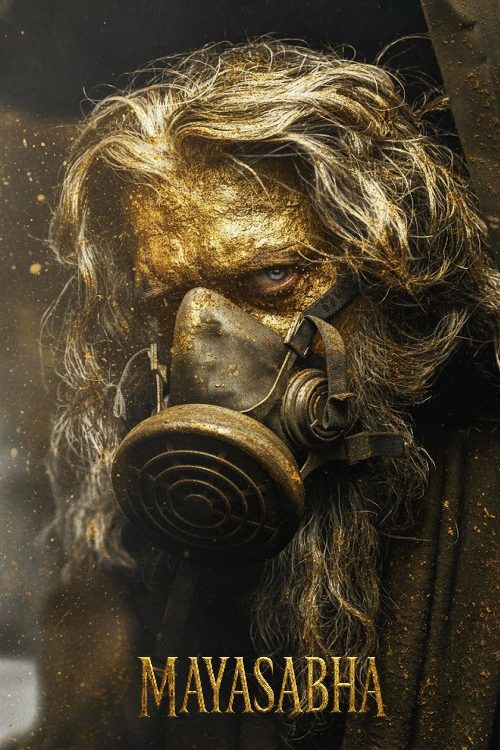
About Mayasabha: The Hall of Illusion
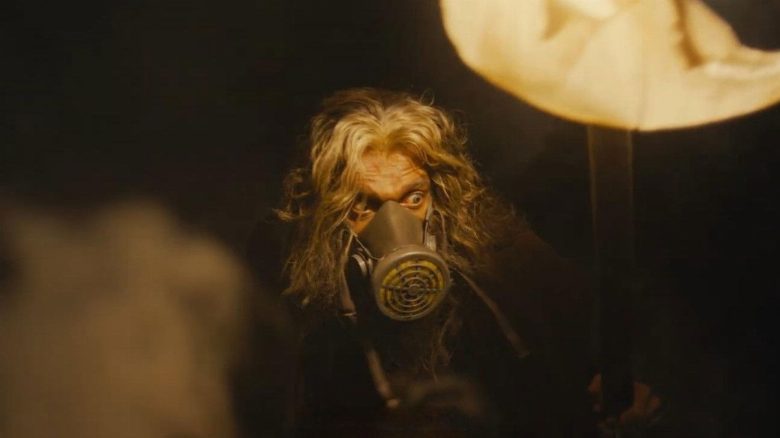
The monsoons have washed Mumbai. RAVARANA has just come out on parole. He is nothing but a security guard in Mumbai. He, along with his sister Zeenat, lives a life in Chawl. Every day is a struggle and existence is hand to mouth. Both are in their late 30s and life seems to be an exercise in defeat.One day they meet a bizarre boy, Vasu.
Rahi Anil Barve has long been a visionary architect of dark folklore, and his latest venture Mayasabha suggests a return to the atmospheric intensity that defined his previous cult successes. This Hindi language drama moves away from the polished aesthetic of mainstream Bollywood, opting instead for a gritty, rain-soaked exploration of the human condition within the claustrophobic confines of a Mumbai chawl. The narrative centers on Ravarana, a man recently released from incarceration whose transition back into civilian life is defined by the mundane indignity of working as a security guard. Sharing a cramped living space with his sister Zeenat, he represents the forgotten demographic of a city that constantly demands resilience but rarely offers reward. Their existence is a cycle of repetitive hardship until the sudden, inexplicable arrival of a mysterious youth named Vasu disrupts their fragile status quo, steering the film into the realms of the fantastical.
The strength of this production lies in its ability to anchor high-concept supernatural elements within a grounded, hyper-realistic socio-economic setting. By casting seasoned performers like Javed Jaffrey and Veena Jamkar, the film leans into a raw, understated emotionality that avoids the usual melodramatic traps of the genre. The choice to pair such established actors with Mohammad Samad suggests a dynamic interplay between world-weary cynicism and the enigmatic, perhaps otherworldly, presence of youth. For viewers who appreciate the intricate world-building found in contemporary regional Indian cinema, particularly the dark, mythological undertones that have recently gained traction in Malayalam and Marathi landscapes, Mayasabha offers a compelling crossover appeal. It is crafted for an audience that seeks substance over spectacle, favoring slow-burn tension and symbolic storytelling over frantic pacing.
Barve maintains his signature focus on textural details, using the omnipresent monsoon rains not just as a backdrop, but as a character that mirrors the internal stagnation of his protagonists. By juxtaposing the harsh realities of urban poverty with the surreal possibilities of an encroaching illusion, the director frames the chawl as a stage where reality and fantasy collide. This is not merely a story about survival; it is an investigation into the psychological weight of past mistakes and the dangerous allure of escapism. Those who follow the evolution of Indian genre cinema will likely see this as a significant pivot, as it blends the visceral urgency of a social drama with the haunting ambiguity of a fable. It stands out as a bold, atmospheric piece of filmmaking that demands patience, rewarding those who are willing to immerse themselves in its shadow-filled corridors and unsettling questions about the nature of truth.