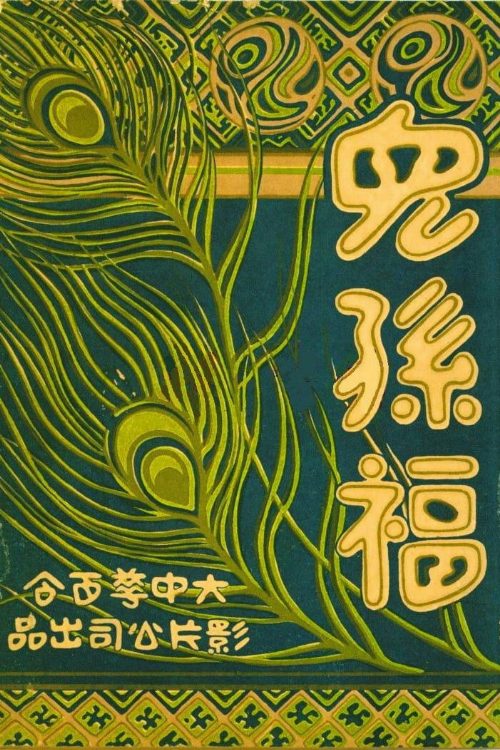
About Mother's Happiness
Stepping back into the silent era of Chinese cinema offers a fascinating glimpse into the social anxieties of the nineteen-twenties, and Mother's Happiness stands as a quintessential artifact of that transformative period. Directed by Shi Dongshan, a filmmaker whose career would eventually mirror the turbulent shifts in his nation’s political landscape, this drama captures the domestic tensions and evolving family dynamics that defined the early years of the Shanghai film industry. Rather than relying on the grand historical spectacles that dominated later decades, the narrative focuses on the quiet, internal struggles of a maternal figure navigating the pressures of tradition against the backdrop of an increasingly modernized society. The film functions less as a melodrama and more as a poignant observation of the sacrifices expected within the patriarchal structures of the time, making it an essential watch for those interested in the foundational roots of East Asian storytelling.
What makes this production particularly compelling for contemporary viewers is the way it utilizes the limited visual language of the mid-twenties to convey deep emotional resonance. The performance of Tianxiu Tang anchors the film with a nuanced grace that transcends the lack of dialogue, proving that the silent screen was often more expressive than the talkies that followed. For audiences who appreciate the heritage of Indian cinema, such as the early social dramas of the P.C. Barua era or the emotive depth found in the works of V. Shantaram, this film provides a remarkable point of comparison. It shares that universal preoccupation with the domestic sphere, where the home is positioned as a primary site of moral conflict and personal sacrifice. The director demonstrates a keen ability to frame the domestic interior as a stage for larger societal shifts, a technique that would become a staple in the regional industries of India decades later.
Those who enjoy historical dramas that prioritize character development over action will find themselves drawn into the patient, deliberate pacing of this work. It is an ideal pick for cinephiles who seek to understand how global cinema evolved in parallel during the early twentieth century, specifically regarding the depiction of women as the keepers of cultural values. While the aesthetic is firmly rooted in the silent tradition, the themes of duty and maternal affection remain startlingly relevant. By examining the filmography of Shi Dongshan, one gains a clearer picture of how individual creative voices navigated the constraints of their era to produce works that endure as cultural touchstones. Whether you are a scholar of silent films or a casual viewer interested in international classics, this piece offers a refined look at a pivotal moment in the history of global screen storytelling.