About Mushkil
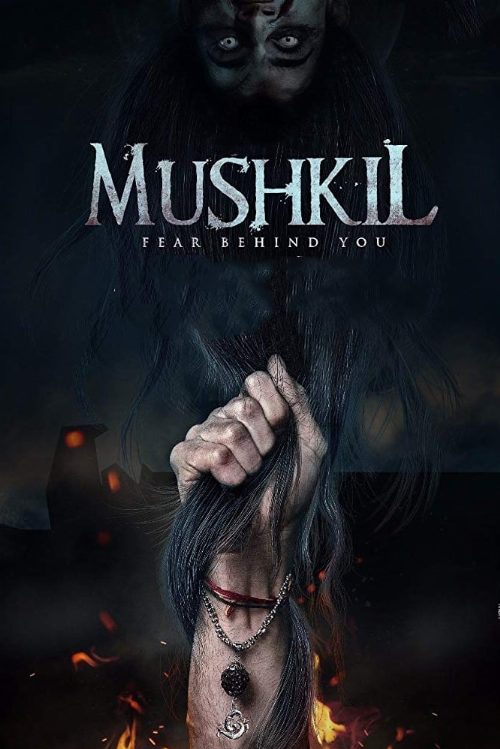
Four girlfriends go on a trip to Greece and put up in a guest house that is home to a ghost. With no one to turn to and nowhere to go, how do the girls manage to flee the country unharmed?
Traveling to the sun-drenched landscapes of Greece for a dream vacation is a common trope in modern Hindi cinema, yet Mushkil shifts the perspective from a typical travelogue into the chilling corridors of supernatural suspense. By transplanting a group of young women into an unfamiliar environment, director Rajiv S. Ruia taps into the classic fear of isolation, where the absence of a familiar support system heightens every creak in the floorboards and shadow in the corner. The film follows a quartet of friends whose getaway turns into a claustrophobic nightmare after they check into a secluded guesthouse that harbors a dark, spectral secret. This narrative choice forces the characters to rely entirely on their own instincts and bond, moving the focus away from internal interpersonal drama toward a high-stakes survival struggle against an invisible, malevolent force.
The project stands out as a dedicated entry in the horror-thriller space, a genre that has seen fluctuating interest within the Bollywood industry as creators look for fresh ways to modernize traditional ghost stories. Unlike big-budget spectacles that rely on heavy digital effects, this production leans into the eerie atmospheric potential of its international setting, utilizing the unfamiliar architecture of a foreign locale to make the haunting feel more visceral. The casting of actors like Rajneesh Duggal, who has navigated the complexities of supernatural thrillers before, alongside a group of emerging female leads, positions the film as an ensemble-driven piece. It caters specifically to audiences who enjoy lean, fast-paced genre cinema that favors tension and jump scares over drawn-out exposition or musical interludes.
For viewers who appreciate the aesthetic of European gothic horror blended with the emotional urgency of Indian thriller tropes, this film offers a distinct visual experience. It is positioned as an exercise in pacing, where the transition from a carefree holiday to a desperate fight for survival is handled with an emphasis on building dread rather than gratuitous gore. Fans of directors who experiment with genre-blending will likely notice how Ruia attempts to keep the stakes personal and immediate. Ultimately, this title is a reminder of how Indian filmmakers continue to look beyond domestic borders to find new backdrops for their storytelling. It is a solid recommendation for anyone seeking a weekend watch that prioritizes suspenseful sequences and the classic predicament of strangers trapped in a place where they are not welcome.