
About Ragini MMS 2
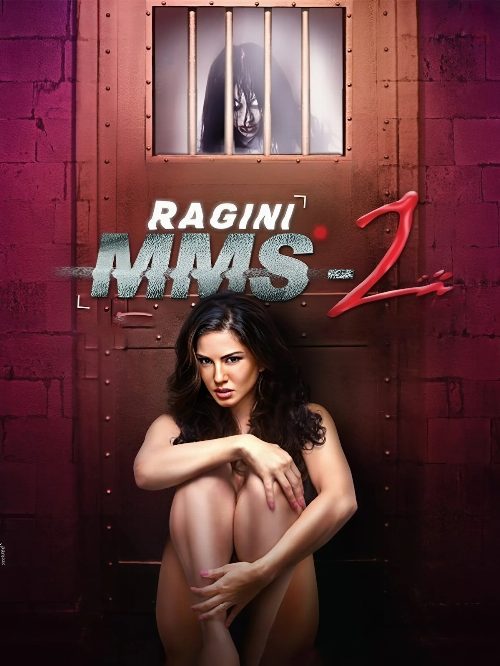
A sleazy film director's decision to shoot his latest erotic horror movie in a notorious haunted house angers the vengeful spirit of its past inhabitant.
The landscape of Hindi cinema underwent a fascinating transformation in the early 2010s as filmmakers began aggressively blending established genre tropes with provocative aesthetics to lure a younger, urban audience. Ragini MMS 2 stands as a quintessential artifact of this era, arriving when the industry was heavily experimenting with the found footage style and the supernatural thriller format. By positioning a high-profile media personality at the center of a narrative that blurs the lines between a commercial film set and a genuine paranormal investigation, the production successfully tapped into a voyeuristic curiosity that had become a hallmark of the period. It occupies a unique space, functioning less as a traditional ghost story and more as a self-aware exercise in meta-horror that leans into its own sensationalist reputation.
Director Bhushan Patel opted for a sleek, high-gloss visual approach that distanced the movie from the grittier, low-budget aesthetics typically associated with hauntings. This choice reflects a broader trend in Bollywood at the time, where horror was increasingly packaged as an event-driven experience designed for multiplex screens rather than intimate atmospheric dread. The plot follows a crew venturing into a location infamous for its tragic history, a classic setup that the film revitalizes by injecting a layer of industry satire. For viewers who enjoy cinema that does not take itself entirely seriously while still delivering on the expectations of the genre, this project offers a blend of suspense and stylistic flair that remains emblematic of the mid-2010s mainstream shift.
The presence of Sunny Leone in the lead role was instrumental in the film’s marketability, effectively bridging the gap between her established public persona and the demands of a horror protagonist. Her performance is central to how the movie navigates the tension between its more provocative sequences and the supernatural stakes at play. Those who appreciate the evolution of the Indian horror genre, particularly the way it has transitioned from campy B-movie aesthetics to glossy, star-driven studio ventures, will find much to analyze here. It is a film that demands to be viewed as a product of its specific industrial moment, capturing a brief window where the fusion of eroticism and the occult became a dominant, if polarizing, force in the commercial Hindi film circuit. Whether one views it as a guilty pleasure or a bold attempt at genre-bending, its impact on the box office and its role in shaping public perception of horror in India remain significant points of discussion for students of contemporary cinema.
Cast(16)