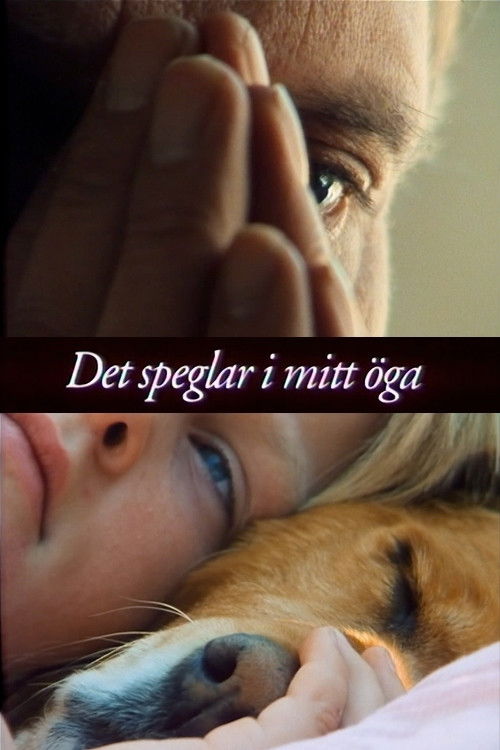
My Eye Is Reflecting(1992)
About My Eye Is Reflecting
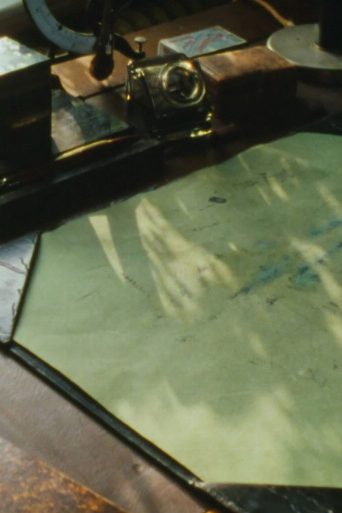
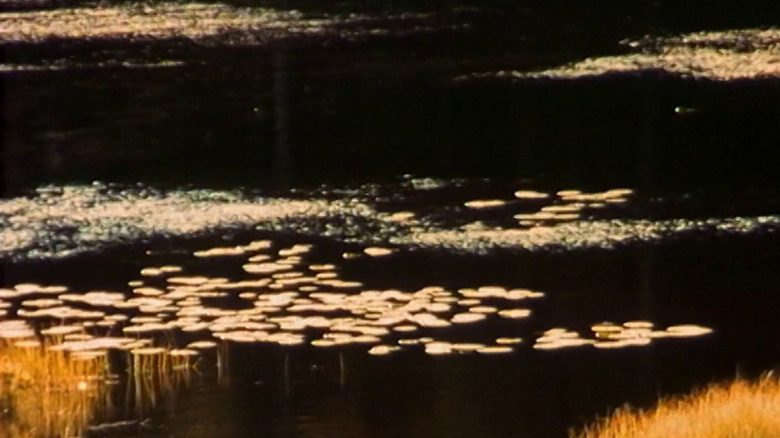
A poetic film on the act of seeing and on the details that rarely get our attention. The film is a collage of diverse scenes depicting life, death, objects and people: a Swedish crayfish party, a classroom, cows in the meadow, the Stockholm subway
Few works of documentary cinema capture the quiet rhythm of existence with the same meditative intensity as My Eye Is Reflecting. Released in 1992, this Swedish production transcends the traditional boundaries of observational filmmaking, choosing to bypass conventional narrative arcs in favor of a sensory exploration of the mundane. While modern audiences accustomed to the high-octane pacing of contemporary Indian cinema might find its deliberate tempo a departure, there is a profound universality to its approach. By focusing on the minutiae of daily life, the film invites viewers to slow down and witness the beauty inherent in ordinary objects, public spaces, and the fleeting intersections of human experience.
The film functions as a cinematic collage, stitching together disparate moments that range from the communal warmth of a crayfish gathering to the silent, pastoral stillness of grazing cattle. It is precisely this lack of a singular plot that makes the work so distinctive; it operates more like a visual poem than a standard reportage. For cinephiles who appreciate the experimental spirit found in the works of directors like Mani Kaul or the atmospheric depth often seen in acclaimed Malayalam independent cinema, this piece offers a compelling look at how visual language can communicate complex emotions without a single word of dialogue. It is an exercise in mindfulness, challenging the spectator to find meaning in the architecture of a subway station or the stillness of a classroom.
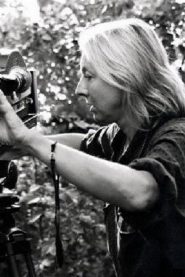
Nina Hedenius demonstrates a keen ability to curate the frame, turning the camera into an instrument of discovery rather than just a recording device. This film is highly recommended for those who view cinema as an immersive, almost spiritual experience rather than mere entertainment. It is particularly suited for individuals interested in the history of European documentary and those who enjoy slow-burn storytelling that prioritizes mood over exposition. By elevating the overlooked fragments of our environment, the film remains a timeless study of what it means to truly observe the world around us. It serves as a reminder that the most significant stories are often hidden in the smallest details, waiting patiently for someone to notice their silent, persistent grace.