
About Sámi vs. Sámi
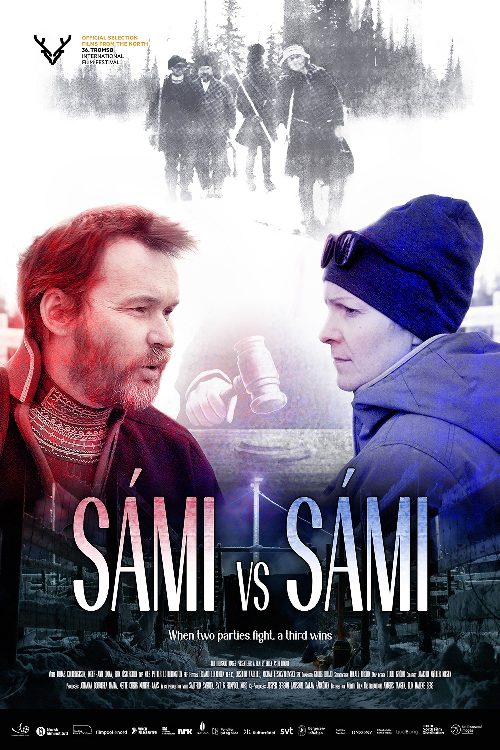
A unique legal battle between indigenous peoples unfolds on film: Two Sami groups face each other in court, locked in an insoluble conflict that has its roots in the state's forced displacements over a hundred years ago. How can one agree on a future when the past is lived so differently? Over a hundred years ago, the state forced Northern Sami to move into Southern Sami territory. Today, their descendants are fighting in court for land, reindeer herding, and the right to be Sami. The film shows how state actions continue to divide a people, and how the past continues to shape their future.
The history of colonial intervention often leaves behind wounds that manifest in unexpected ways, pitting communities against one another long after the original oppressors have retreated. Sami vs. Sami examines this painful reality by focusing on a complex legal struggle between two indigenous groups whose current discord is a direct result of state-mandated relocations from the previous century. Director Ellen-Astri Lundby moves beyond a standard legal procedural, instead crafting an intimate portrait of how systemic displacement echoes through generations, forcing descendants to grapple with conflicting definitions of identity, traditional land use, and the very meaning of belonging to a culture that has been fragmented by external political forces.
While the film is rooted in the specific geography of Northern and Southern Sami territories, its exploration of land rights and the erosion of indigenous sovereignty will resonate deeply with viewers accustomed to the complex narratives often found in regional Indian cinema. Much like the intense social dramas coming out of the Malayalam or Tamil industries that prioritize human cost over spectacle, this documentary centers on the emotional toll of bureaucratic entanglement. It highlights how state policies designed to fracture populations can create enduring cycles of litigation, making it essential viewing for those interested in global human rights stories and the struggle for cultural preservation in the face of governmental interference.
The documentary is positioned as a thoughtful look at what happens when the weight of history dictates the courtroom tactics of the present. For audiences who appreciate cinema that challenges the status quo, this film offers a rare, nuanced look at an internal conflict that is rarely discussed in mainstream media. It avoids the trap of assigning simple blame, opting instead to show how past trauma creates a fractured present where the fight for resources becomes a fight for legitimacy. By focusing on the reindeer herders and families caught in the middle of this legal impasse, Lundby manages to elevate a local dispute into a universal meditation on the resilience of identity when faced with the lingering consequences of state-sponsored disruption. It is a compelling choice for anyone who values documentary storytelling that demands both intellectual engagement and deep empathy for the subjects on screen.