
About My Friend an Delie
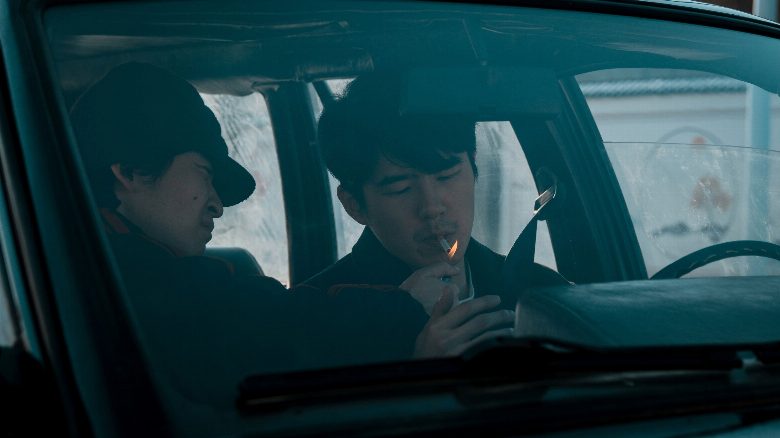
Li Mo and An Delie, who have very different personalities, become close friends because of soccer, but an accident makes Andrei disappear from Li Mo's memory along with his youthful past. Years later, Li Mo and An Delie “reunite” on the way to his father's funeral, and a period of dusty memories are gradually unveiled. ......
The landscape of contemporary Chinese cinema is currently witnessing a fascinating shift toward intimate, character-driven narratives that prioritize emotional resonance over grand spectacle, and My Friend an Delie stands as a poignant example of this evolution. By centering its story on the profound, often inexplicable bonds forged during adolescence, the film explores how the passage of time can blur the edges of our most formative experiences. The narrative structure, which hinges on a sudden, life-altering memory lapse, serves as a compelling device to examine the fragility of the human psyche. As the protagonist Li Mo navigates the complicated process of reconnecting with his past, the film moves beyond a simple coming-of-age trope to interrogate the nature of identity and the ghosts we carry into adulthood.
Fans of the introspective dramas often championed in the regional circuits of India, such as the nuanced storytelling found in recent Malayalam or Tamil indie hits, will likely find common ground in the rhythmic, contemplative pace of this production. Liu Haoran delivers a performance that leans into the vulnerability required to portray a man grappling with a fractured timeline, while the presence of veterans like Ning Li adds a layer of gravity to the unfolding mystery. The film captures that universal sensation of returning home to face unresolved history, turning a funeral journey into a catalyst for self-discovery. It is a visual and thematic meditation on the idea that even when our minds choose to shield us from trauma, the heart often retains the echoes of those we once held closest.
This is a film crafted for those who appreciate cinema that demands patience and rewards the viewer with deep, lingering questions rather than tidy answers. In an era where audiences are frequently overwhelmed by high-octane blockbusters, My Friend an Delie offers a grounded alternative that prioritizes the complexities of long-term friendship and the weight of forgotten promises. Its focus on the intersection of sport, loss, and reconciliation provides a rich emotional tapestry that feels both specific to its cultural setting and broadly relatable to a global audience. For anyone seeking a story that balances the melancholy of lost years with the tentative hope of a late-stage reunion, this title positions itself as a significant entry in the 2026 calendar, promising a journey that is as much about the discovery of self as it is about the rediscovery of a lost companion.