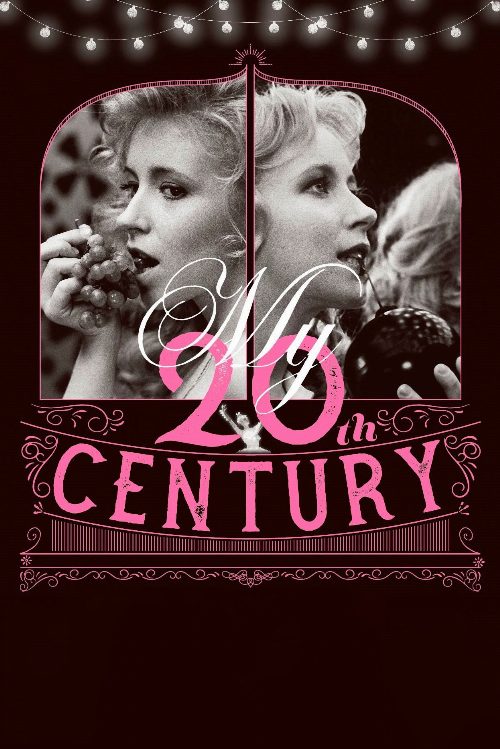
My Twentieth Century(1989)
About My Twentieth Century
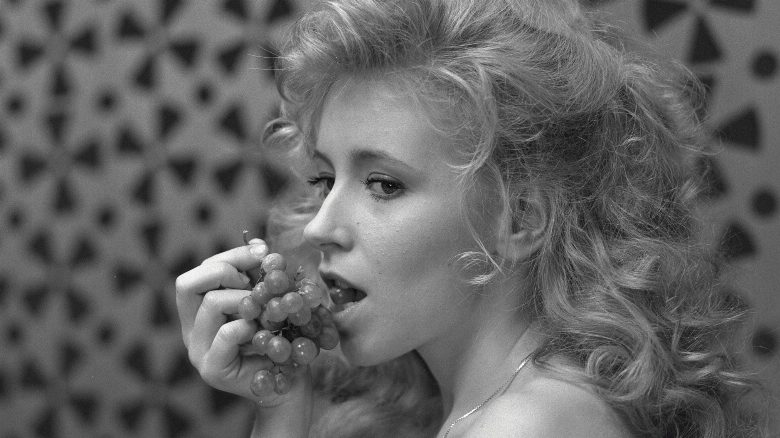
A tale of twin girls, Dóra and Lili, who are born in 1880 Budapest at the same moment Thomas Edison presents his electric lightbulb to the world. The sisters are soon orphaned and separated in childhood, and follow different paths: one grows up to be a naïvely idealistic, bomb-toting anarchist, the other a pampered, hedonistic courtesan. Their paths cross once again on the Orient Express on New Year's Eve 1899...
Ildiko Enyedi crafts a surreal tapestry of human experience in My Twentieth Century, a film that feels less like a traditional period drama and more like a fever dream of modernity. By framing the dual lives of sisters Dora and Lili against the rapid technological shifts of the late nineteenth century, the director explores how scientific advancement and moral decadence collide. While contemporary Indian cinema often relies on grand emotional arcs or high-octane spectacle to define the passage of time, this Hungarian masterpiece opts for a philosophical approach, using the backdrop of the Orient Express to mirror the chaotic transition into the new century. The film functions as a cinematic meditation on how individuals navigate the crushing weight of history, juxtaposing the cold precision of the era’s inventions with the messy, unpredictable nature of the human heart.
The narrative thrives on the stark contrast between the two protagonists, who represent the internal conflict of an entire generation caught between tradition and total upheaval. One sister embraces a life of calculated luxury and social performance, while the other descends into the dangerous fervor of radical activism. For viewers accustomed to the layered storytelling found in modern Malayalam or Tamil independent cinema, Enyedi’s work will resonate through its commitment to visual metaphors and nonlinear pacing. It is a film that demands active engagement, asking the audience to consider whether our constant push for progress truly serves the soul or merely provides new ways to lose ourselves. This is not a film for those seeking straightforward resolution, but rather for those who appreciate the aesthetic rigor of world cinema that challenges the boundaries of genre.
Enyedi demonstrates a masterful command of tone, blending whimsical comedy with a haunting, almost science-fiction-adjacent atmosphere. Her ability to anchor historical milestones, such as the public debut of electric lighting, to the intimate tragedy of two separated orphans creates a unique viewing experience that remains relevant decades later. Fans of art-house films who enjoy exploring the intersection of feminism and history will find much to admire in the director’s unflinching gaze. By treating the turn of the century as both a literal setting and a metaphorical state of mind, the film captures the anxiety of living through a changing world with profound grace. It serves as a reminder that even as society hurtles toward the future, the core of our identity remains tethered to the people we have lost and the choices we make in the quiet moments between monumental events.
Cast(11)