About Outlaws
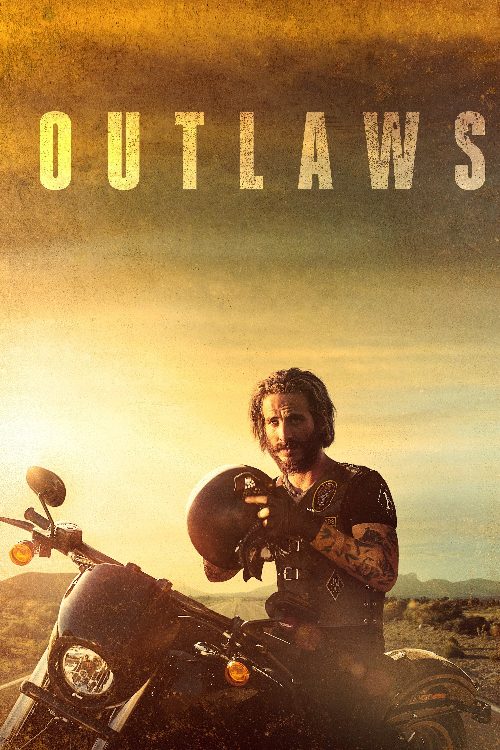
When an Australian motorcycle gang leader is released from prison, he finds his former deputy on the cusp of giving control of their lucrative drug trade to a rival gang. When the deal goes south, the ensuing violence threatens to spin out of control as the gangs must contend with external threats and subversion within their own ranks — culminating in a deadly face-off between the heavily-armed crews in this epic and action-packed biker thriller.
The dusty highways and sun-scorched landscapes of the Australian outback provide a gritty, unforgiving backdrop for Outlaws, a film that delves deep into the volatile hierarchy of motorcycle subculture. Departing from the polished aesthetic often associated with high-octane crime dramas, this project leans heavily into the visceral consequences of betrayal and the fragility of loyalty when power dynamics shift. It captures the tension of a homecoming gone wrong, where the protagonist returns to a world that has evolved in his absence, forcing him to navigate a landscape where his former allies have become his most unpredictable liabilities. For fans of cinema that prioritizes raw atmosphere and character-driven friction over stylized excess, this film offers a stark look at the criminal underworld.
While global audiences are accustomed to the sprawling epics of the Indian film industry, where mass-market heroes often dominate the screen with grand gestures and larger-than-life narratives, Outlaws operates on a much more intimate and grounded scale. It serves as a compelling case study in regional storytelling, showing how local Australian tensions can mirror the universal themes of brotherhood and treachery seen in various international crime sagas. The film positions itself as a character study of a man grappling with the erosion of his legacy, contrasting sharply with the vibrant musical and action-heavy traditions of Telugu or Hindi cinema. Instead of grand spectacles, viewers are treated to a slow-burn narrative that emphasizes the claustrophobic nature of internal gang politics and the constant threat of external encroachment.
The performances by Soa Palelei and the seasoned ensemble cast bring a necessary gravitas to the story, ensuring that the escalating violence feels like a natural progression of the character conflicts rather than mere spectacle. The direction maintains a steady focus on the psychological weight of the protagonists decisions, making the film an excellent choice for those who appreciate crime thrillers that prioritize mood and character development. It is a bleak, uncompromising look at a life defined by the open road and the dark codes that govern those who ride it. By avoiding the typical tropes of the genre, the film manages to feel like a modern western transposed onto the back of a motorcycle, perfectly suited for viewers who prefer their dramas dark, intense, and deeply invested in the consequences of past transgressions.
Cast(16)