Phantom of the Opera(1943)
About Phantom of the Opera
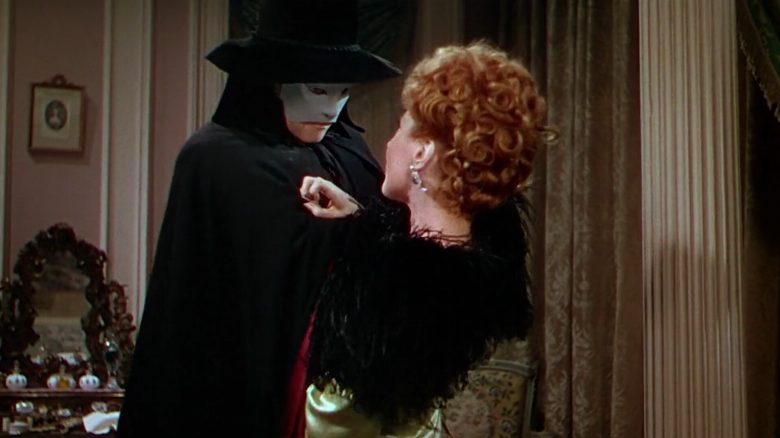
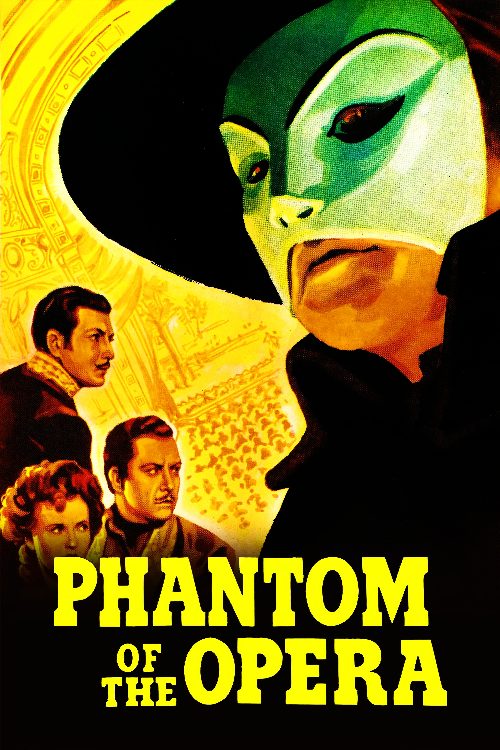
Following a tragic accident that leaves him disfigured, crazed composer Erique Claudin transformed into a masked phantom who schemes to make beautiful young soprano Christine Dubois the star of the opera and wreak revenge on those who stole his music.
Arthur Lubin brings a distinct Technicolor grandeur to this 1943 adaptation, stripping away the gothic monochromatic shadows of earlier silent classics to reveal a world of opulent costumes and orchestral obsession. While the story of a disfigured musical genius lurking beneath the stage is a cornerstone of horror folklore, this version pivots sharply toward a lavish romantic tragedy. It captures the frantic energy of a grand Parisian theater, where the pursuit of artistic perfection curdles into a dangerous fixation. By grounding the narrative in the high-stakes environment of classical performance, the production highlights the thin line between a creator’s divine inspiration and the madness that follows when their life work is cruelly appropriated.
This film occupies a fascinating space in mid-century cinema, arriving at a time when Hollywood was experimenting heavily with vibrant color palettes to elevate the spectacle of genre filmmaking. For viewers who appreciate the intersection of golden age aesthetics and psychological tension, it offers a visual feast that feels miles away from the grit of contemporary horror. The focus here is less on traditional jump scares and more on the suffocating atmosphere of a man losing his grasp on reality. It appeals to those who enjoy period pieces where the emotional stakes are played as large as the opera house sets themselves, making it a compelling study of how public adoration can mask private, agonizing isolation.
The performance at the center of the film anchors the experience, shifting the tone from mere monster movie to a sympathetic portrait of a broken artist. Modern audiences familiar with how global cinema, particularly the dramatic storytelling found in Indian industries like the Telugu or Hindi markets, often balances grand musical sequences with intense character-driven tragedy will find a precursor to that emotional scale here. The film treats its central figure not just as a villain, but as a tragic martyr to his own talent. By emphasizing the intersection of music, jealousy, and the inevitable downfall of the ego, it remains a standout entry in the annals of horror. It serves as an essential watch for anyone interested in the evolution of the mad artist trope and how classic films utilized production design to compensate for the limitations of the era, creating a haunting, beautiful legacy that lingers long after the final curtain call.
Cast(51)