
Philippe Jaroussky: Greatest Moments in Concert (La voix des rêves)(2012)
About Philippe Jaroussky: Greatest Moments in Concert (La voix des rêves)
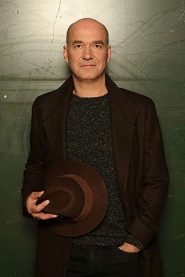
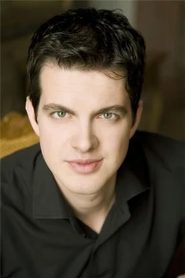
Philippe Jaroussky, described by Germany’s Die Zeit as “the Apollo of countertenors’, stands out among his many talented contemporaries as much for the soprano-like beauty of his tone as for the elegance and insight of his interpretations and his adventurous and erudite approach to repertoire – whether unearthing neglected scores by little-known composers or venturing beyond the Baroque into the 19th and 20th centuries. Established as one of Virgin Classics’ bestselling artists, Jaroussky, now aged 34, has been honoured three times in the Victoires de la Musique awards in his native France and has also received Germany’s most prominent music prize, the Echo Klassik. His diverse achievements are saluted in two new collections on Virgin Classics – the 2CD set “The Voice” and the DVD and Blu Ray “La Voix des rêves: Greatest moments in Concert”.
Classical music documentary filmmaking often relies on static archival footage, yet this 2012 release captures the electric atmosphere of live performance with a rare, visceral intensity. Philippe Jaroussky: Greatest Moments in Concert offers viewers an intimate portal into the world of one of the most celebrated countertenors of the modern era. While Indian cinema audiences are accustomed to the high-octane musical spectacles of Tollywood or the soulful compositions of Malayalam soundtracks, this film provides a starkly different sensory experience. It focuses on the technical precision and ethereal vocal quality that have defined Jaroussky’s career, positioning him as a transformative figure who revitalized interest in Baroque compositions. For those who admire the dedication required for classical training or the sheer discipline inherent in high-art performance, this concert compilation serves as both an introduction and a masterclass.
The film is particularly notable for how it frames the symbiotic relationship between the soloist and his ensemble. Watching Jaroussky navigate complex arrangements alongside collaborators like Marie-Nicole Lemieux and Gautier Capuçon reveals the collaborative nature of European classical music, much like the intricate jugalbandi sessions revered in Indian classical traditions. The production design avoids the clutter of narrative exposition, choosing instead to let the acoustics and the raw emotion of the stage work speak for themselves. This choice makes the film an accessible entry point for general audiences who might otherwise feel intimidated by opera, as it highlights the accessibility of the countertenor voice, which possesses a haunting, soprano-like register that transcends traditional gendered vocal expectations.
For followers of global music culture, this retrospective is essential viewing because it documents a specific turning point in the revival of early music. Jaroussky was instrumental in bringing neglected scores back into the mainstream spotlight during the early 2010s, and this collection captures that momentum perfectly. It is an ideal recommendation for fans of sophisticated, unplugged musical performances who appreciate the marriage of historical research and artistic flair. By focusing on the elegance of his delivery and the curiosity behind his programming choices, the film creates a portrait of an artist at the height of his powers. Whether one is a seasoned devotee of the European canon or a curious newcomer drawn to the beauty of the human voice, the project stands as a testament to the enduring power of live, unamplified musical excellence.