Plunderer: The Life and Times of a Nazi Art Thief(2024)
About Plunderer: The Life and Times of a Nazi Art Thief
“It’s not every day that you meet an old Nazi.” So begins American historian Jonathan Petropoulos, recalling the day in 1998 when he met Bruno Lohse, who was Hermann Göring’s art agent in Paris during World War II. In this riveting account, Petropoulos details Lohse’s role in stealing countless masterpieces from prominent French and Dutch families, while evading meaningful punishment, and continuing to deal art profitably for most of the rest of his life. This explosively compelling tale calls the international art market to task for its continuing lack of regulation.
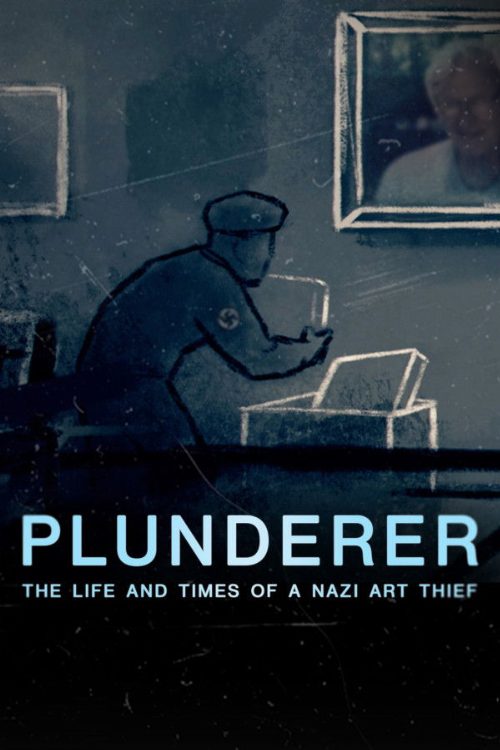
The shadows of the Second World War often stretch into the present through the illicit movement of cultural treasures, a reality brought into sharp focus by the documentary Plunderer: The Life and Times of a Nazi Art Thief. Directed by Hugo Macgregor, this film moves beyond standard historical retrospection to examine the chilling proximity between academic inquiry and the perpetrators of systemic theft. By centering the narrative on the experiences of historian Jonathan Petropoulos, the production provides a unique vantage point into the life of Bruno Lohse, a man who functioned as a high-level facilitator for Hermann Goring. Instead of merely reciting dates and military maneuvers, the documentary investigates how stolen masterpieces from European families were laundered into the legitimate art market, allowing a war criminal to thrive in the decades following the conflict.
For audiences accustomed to the high-stakes dramas often found in global cinema, particularly the gritty, investigative storytelling prevalent in modern Indian investigative documentaries, this film offers a similar sense of urgency regarding systemic corruption. It functions as both a biographical character study and a stinging critique of the international art trade, which has historically turned a blind eye to the provenance of its most expensive acquisitions. The film is particularly suited for viewers who appreciate deep-dive journalism and narratives that challenge the comfort of historical narratives. By highlighting the failure of legal systems to hold individuals like Lohse accountable, Macgregor prompts a wider conversation about the ethics of ownership and the lingering scars of wartime greed.
The relevance of this work lies in its refusal to let the past remain static. As the global cinematic landscape increasingly prioritizes stories that expose hidden power dynamics, Plunderer positions itself as an essential watch for those interested in the nexus of history, morality, and commerce. It is a stark reminder that the artifacts hanging in prestigious galleries or hidden in private collections often bear the weight of forced displacement and systematic erasure. Through the lens of Petropoulos, the film invites viewers to confront the uncomfortable truth that the shadow of Nazi-era plunder continues to influence the global art economy to this day. This is a must-see for anyone seeking to understand how the ripples of historical atrocities continue to shape contemporary society, making it a standout entry in this year’s documentary lineup.