About Ruby
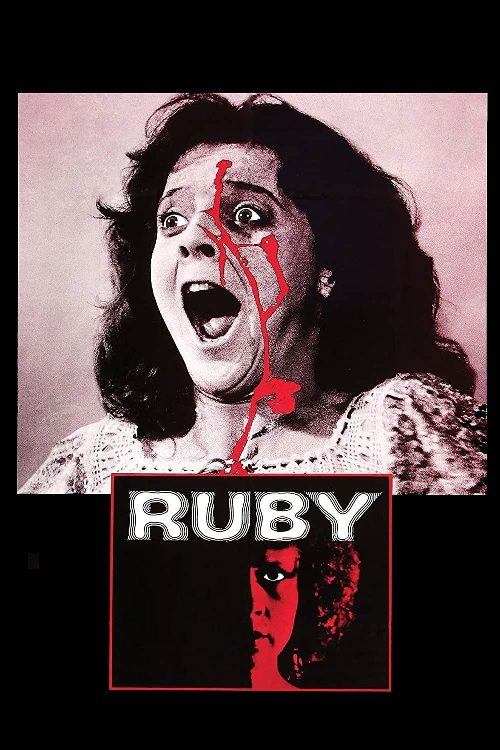
Strange killings occur at Ruby's drive-in theatre, sixteen years after the murder of her gangster boyfriend.
The mid-seventies were a fascinating period for American horror, characterized by a shift from gothic sensibilities toward grittier, supernatural slasher narratives that often blurred the lines between psychological trauma and paranormal vengeance. Ruby stands as a quintessential artifact of this transition, arriving in 1977 with a premise that leans into the pulp aesthetics of the era. The story revolves around a former mob associate who finds her life at a drive-in theater transformed into a waking nightmare when a series of bizarre fatalities begin to plague the property. While modern audiences raised on the polished jump-scares of contemporary cinema might find the pacing deliberate, the film serves as a compelling bridge to the era of supernatural retribution stories that would soon dominate the drive-in circuit.
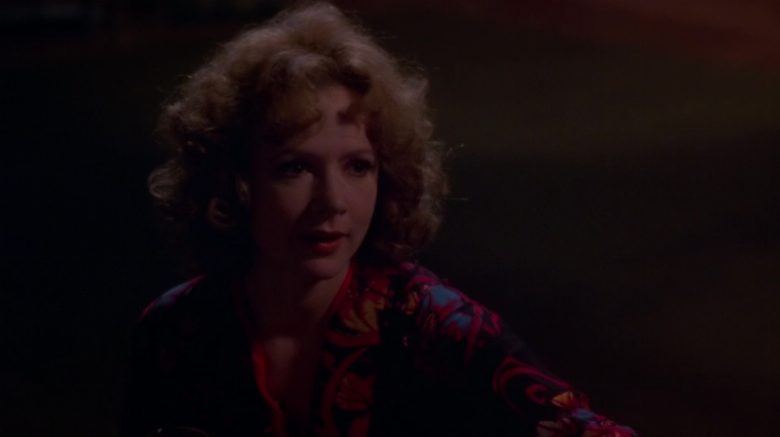
For those who track the evolution of genre icons, the presence of Piper Laurie is the film's most magnetic hook. Following her legendary turn in Carrie, Laurie brought a gravitas to low-budget horror that arguably elevated the material beyond its modest production constraints. Her portrayal of a woman tethered to a haunting past adds a layer of genuine emotional stakes that is frequently missing from standard slasher fare of the time. The narrative cleverly utilizes the iconic setting of a drive-in theater, turning an American cultural staple into a claustrophobic trap. It is a stylistic choice that resonates with the broader global interest in how environments dictate the mechanics of fear, a theme that remains prevalent in current regional Indian horror hits that often transpose similar local folklore into isolated or abandoned landmarks.
Ruby is best suited for viewers who appreciate the stylistic quirks of vintage seventies exploitation cinema. It captures a specific moment in film history where the focus was less on high-tech visual effects and more on building a pervasive sense of dread through atmosphere and performance. By anchoring its supernatural threats in the unresolved history of a past romantic entanglement, the film avoids becoming a mere sequence of repetitive encounters. Instead, it invites the audience to piece together the connection between the protagonist and the malevolent forces at play. For fans of investigative horror or those interested in the pedigree of Piper Laurie, this title offers an intriguing look at a period when horror filmmakers were experimenting with the intersection of organized crime tropes and occult mystery. It remains a notable entry for anyone looking to understand the foundational DNA of the supernatural slasher subgenre.
Cast(19)