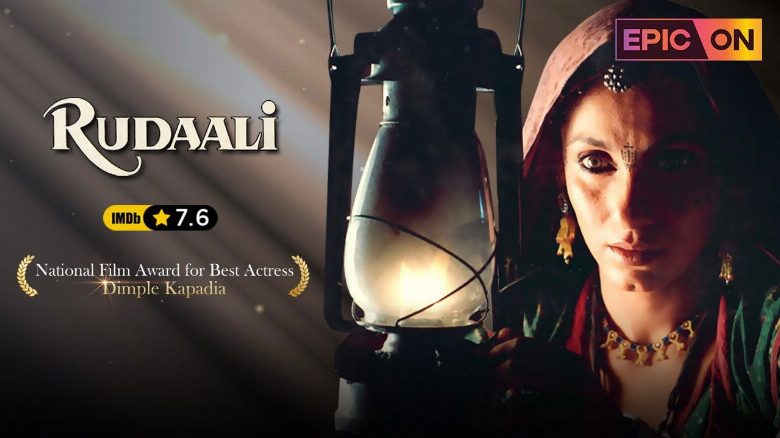
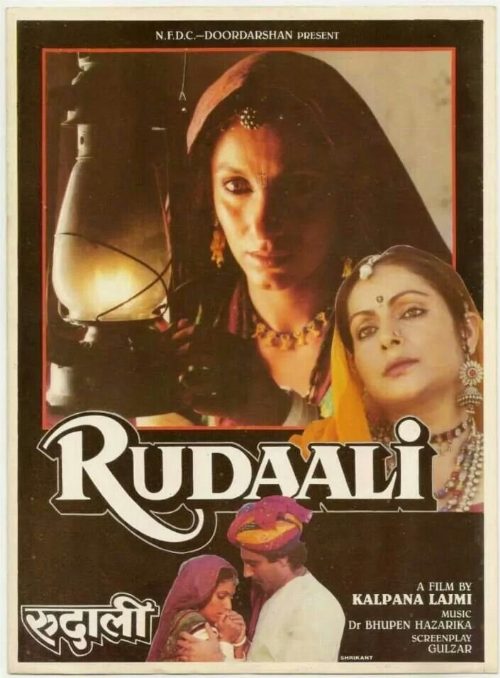
About Rudaali
Shanichari is a beautiful girl born in lower cast and her life is full of sufferings because of lower cast, poor finances, lost parents, drunken husband, mischievous son. The title refers to a custom in some parts of Rajasthan—where aristocratic women were long kept secluded and veiled—of hiring professional women mourners on the death of a male relative, a rudaali (pronounced “roo-dah-lee”—literally, a female “weeper”) to publicly express the grief that family members, constrained by their high social status, were not permitted to display—or at times, perhaps did not feel. Underwritten by the National Film Development Corporation (NFDC) and Doordarshan (Indian national television) and based on a short story by famed Bengali author Mahasweta Devi—whose tales often focus on the travails of low-caste women.
The haunting landscape of rural Rajasthan serves as more than just a backdrop in the 1993 classic Rudaali, a film that remains a cornerstone of parallel cinema in India. Directed by Kalpana Lajmi, the narrative centers on the life of Shanichari, a woman whose existence is defined by a relentless cycle of hardship and social alienation. By exploring the unique and somber profession of the professional mourner, the movie delves into the intersection of caste, gender, and emotional labor. It is a powerful observation of how systemic societal constraints force certain individuals to commodify their grief, transforming personal tragedy into a performative act for the elite.
This production stands out for its unflinching commitment to depicting the harsh realities faced by marginalized communities, a hallmark of the source material provided by the acclaimed writer Mahasweta Devi. Dimple Kapadia delivers a career-defining performance as the protagonist, capturing the stoic endurance of a woman who has been denied the luxury of genuine tears for most of her life. The collaboration between the NFDC and Doordarshan allowed for a cinematic vision that prioritizes thematic depth over traditional commercial tropes, placing it firmly within the movement of socially conscious Indian art house cinema that gained significant momentum during the early nineties.
Audiences who appreciate character-driven dramas that prioritize atmosphere and cultural authenticity over fast-paced plots will find this film deeply rewarding. It is particularly recommended for those interested in the evolution of Indian regional storytelling and the ways in which film can amplify the voices of those living on the fringes of society. The aesthetic choices, including the evocative musical score and the stark visual representation of desert life, underscore the isolation of the characters while highlighting the absurdity of the traditions they are forced to uphold. Rudaali functions as both a historical document of a vanishing custom and a timeless exploration of human resilience, making it an essential watch for any serious student of global cinema looking to understand the nuanced intersections of tradition and trauma in the Indian subcontinent.