About Saveray Wali Gaadi
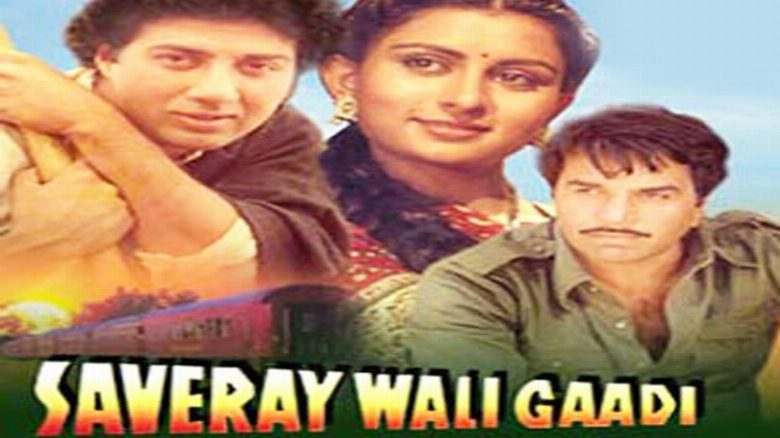
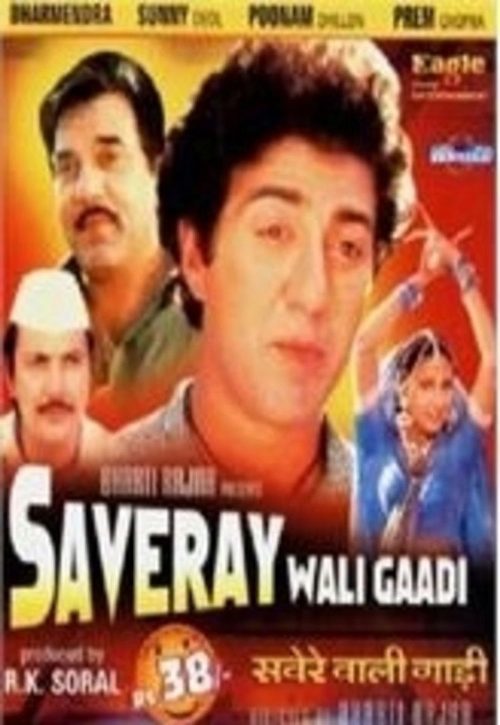
Ravidas lives in a village in rural India. He is the son of Chediram who is of highly respected in the village. Ravidas falls in love with Jyoti. Their love becomes known in the village. Because of differences of caste, the villagers are opposed to Ravidas marrying Jyoti. Chediram commits suicide due to the shame his son has brought upon him. Ravidas is a gifted poet, but he cannot fulfill his dream of being recognized as a great poet, his poems being published and shown to the world, because he lives in a village.
The intersection of rural tradition and the stifling weight of social hierarchy remains a recurring motif in mid-eighties Hindi cinema, and Saveray Wali Gaadi stands as a poignant exploration of this tension. Directed by the legendary Bharathiraja, a filmmaker celebrated for his mastery of rustic landscapes and human emotion in the Tamil industry, this project sees him bringing his distinct visual sensibility to a northern setting. The narrative centers on a young man whose artistic soul as a poet is constantly suppressed by the rigid structures of his community. By focusing on the internal conflict of an individual struggling to reconcile personal passion with the suffocating expectations of his kin, the film moves beyond simple romance into a deeper meditation on how systemic prejudice erodes individual dreams.
The casting choices elevate the drama significantly, pairing Sunny Deol with the seasoned veteran Shreeram Lagoo. Their dynamic underscores the generational divide that defines the village life depicted on screen. While the plot involves a forbidden romance that triggers a catastrophic reaction from the community, the true weight of the story rests on the emotional fallout within the family unit. The film effectively taps into the anxieties of the era, where the promise of modernization and personal ambition often collided with deeply entrenched societal codes. It captures the desperation of a dreamer who finds his identity fractured by the very people who claim to value their reputation above all else.
Viewers who gravitate toward character-driven dramas that prioritize atmosphere and social commentary over conventional genre thrills will find much to admire here. It is a film for those who appreciate cinema that lingers on the quiet, devastating consequences of social ostracization. Because Bharathiraja maintains a focus on the visual language of the landscape, the rural backdrop acts as a silent participant in the unfolding tragedy. It is not merely a story about unrequited or blocked love, but a critique of the intellectual isolation forced upon those who dare to look beyond the boundaries of their birthplace. For fans of classic Hindi cinema, this entry offers a unique perspective on the rural condition, blending a distinct regional aesthetic with the star power characteristic of the period. It remains a compelling look at the high cost of maintaining status in a world where creativity and non-conformity are often viewed as threats to the social order.
Cast(11)