
About Shadows of the Past
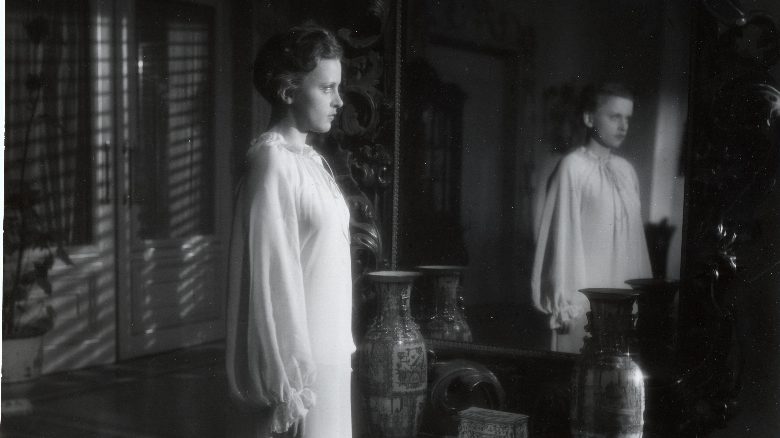
After serving a prison sentence for no fault of her own, café violinist Helene seeks out her twin sister Betty, a famous revue star in Vienna engaged to a public prosecutor. During a sailing trip, Betty accidentally drowns. Helene, at first involuntarily, then consciously, assumes her sister’s identity. Blackmail by two criminals soon follows.
Werner Hochbaum remains a fascinating, if sometimes overlooked, architect of mid-thirties European cinema, and his 1936 feature Shadows of the Past stands as a compelling testament to his skill in weaving psychological tension into the fabric of melodrama. While contemporary audiences often associate German cinema of this era with grand stylistic flourishes, this film opts for a more intimate, claustrophobic exploration of identity and moral duplicity. By centering on the plight of a wrongly imprisoned musician who inherits her deceased sibling’s life, Hochbaum moves away from simple narrative resolution, instead focusing on the precarious nature of social standing. The film operates as a dark mirror to the glittering world of Viennese revue culture, highlighting how easily the veneer of success can be shattered by the ghosts of a forgotten history.
The premise carries a timeless weight that resonates with the melodramatic traditions found in global cinema, including the complex family sagas and mistaken identity tropes frequently explored in Indian regional industries. Much like the intense emotional stakes found in classic Telugu or Hindi dramas, where characters are often forced to sacrifice their true selves for survival or social acceptance, this film delves into the heavy toll of living a lie. The transition from the humble life of a café violinist to the high-stakes existence of a public prosecutor’s partner allows the narrative to examine class disparities and the fragility of reputations. For viewers who appreciate European classics that prioritize character-driven conflict over spectacle, this production offers a masterclass in building dread through simple, human desperation rather than overt action.
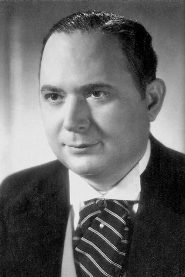
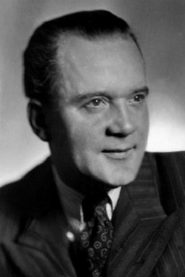
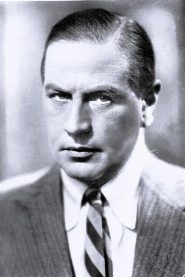
The ensemble cast, featuring Richard Waldemar and Mihail Xantho, brings a necessary gravity to a plot that could easily have veered into farce under less capable direction. Hochbaum manages to keep the audience tethered to the protagonist’s internal struggle, ensuring that the threat of blackmail serves as a catalyst for deeper introspection rather than just a plot device. This movie is particularly well-suited for cinephiles interested in the evolution of suspense, as it captures a specific moment in history when the boundaries between performance and reality were becoming increasingly blurred. By refusing to paint its characters in simple shades of black and white, the film challenges the viewer to question what they might do if given the chance to shed their past and claim a life they never earned. It remains a poignant, sophisticated piece of historical drama that continues to reward those looking for depth behind the flickering black-and-white frames.
Cast(13)