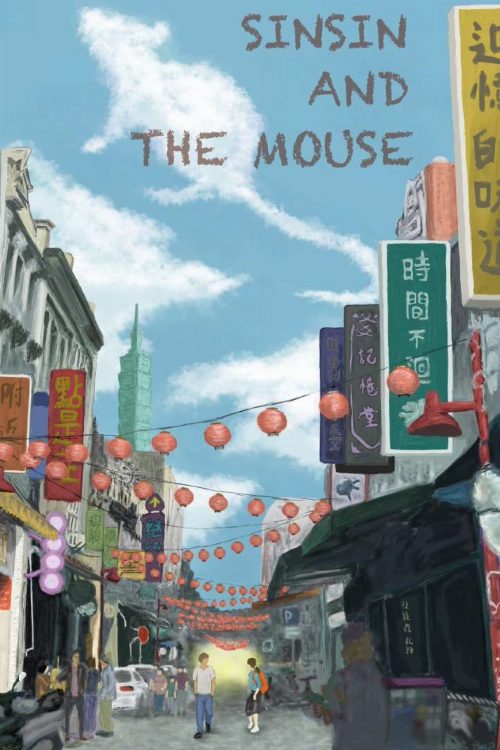
About Sinsin and the Mouse
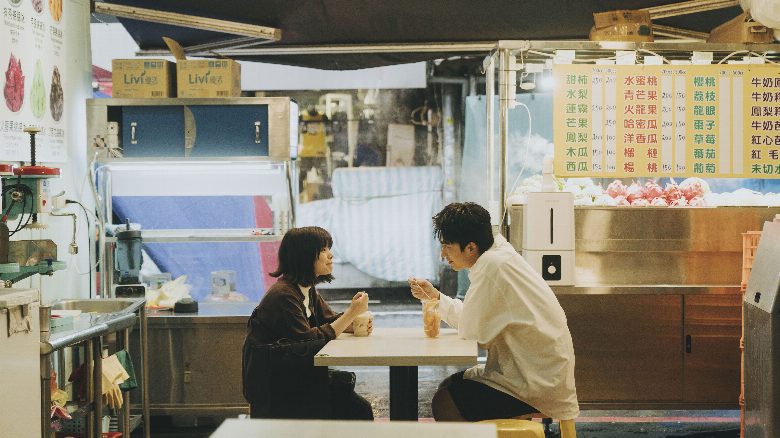
A young Japanese woman (Yukino Kishii), who is reeling from the death of her much loved mother, decides to take a trip to Taiwanese capital Taipei to try to alleviate her loss. While there, an encounter with a young man (Jing-Hua Tseng) sees the pair strike up a tentative friendship that could help her come to terms with the death. Yukinori Makabe builds his sensitive drama around the delicate and nuanced central performances from Kishii and Tseng, elegantly weaving together the present and memory to show the lingering impact of grief on everyday life, while offering a gently hopeful sweep.
Grief often manifests as a physical weight that demands a change of scenery, a concept explored with poetic restraint in the upcoming romantic drama Sinsin and the Mouse. Directed by Yukinori Makabe, this film captures the universal human struggle to reconcile with profound loss by transporting its protagonist from the familiar landscapes of Japan to the bustling, vibrant streets of Taipei. Instead of relying on heavy-handed melodrama, Makabe opts for a contemplative approach, focusing on how a change in geography can serve as a catalyst for emotional healing. The narrative finds its heartbeat in the chemistry between Yukino Kishii and Tseng Jing-Hua, whose interaction serves as the bridge between a painful past and an uncertain, yet inviting, future.
The film distinguishes itself by prioritizing silence and atmosphere over dialogue, aligning with the recent trend of character-driven international cinema that seeks to capture the texture of life rather than just plot points. By situating the story within the cultural intersection of Japan and Taiwan, the film taps into the specific melancholy often found in cross-cultural narratives, where the language barrier becomes a metaphor for the isolation of the grieving process. For audiences who appreciate the quiet, contemplative pacing of films like Drive My Car or the emotionally resonant storytelling typical of contemporary Asian cinema, this project offers a refreshing shift away from high-stakes intensity. It is a work that values the small, transformative moments that happen in the margins of a vacation.
Yukino Kishii continues to cement her reputation as an actress capable of conveying immense internal turmoil through subtle facial expressions, a skill that is essential for a role defined by longing. Opposite her, Tseng Jing-Hua brings a grounded energy that anchors the film, ensuring that the burgeoning connection between the leads feels earned rather than forced. Fans of intimate dramas will likely find much to admire in how the director frames the Taiwanese cityscape not as a mere backdrop, but as a living, breathing participant in the healing journey. By focusing on the interplay of memory and the present day, the film promises to be a deeply moving meditation on how we eventually learn to carry our losses without letting them define our every waking hour. It is positioned as a must-watch for those who enjoy stories that treat the complexities of human emotion with both honesty and gentle optimism.