Stranger Than Paradise(1984)
About Stranger Than Paradise
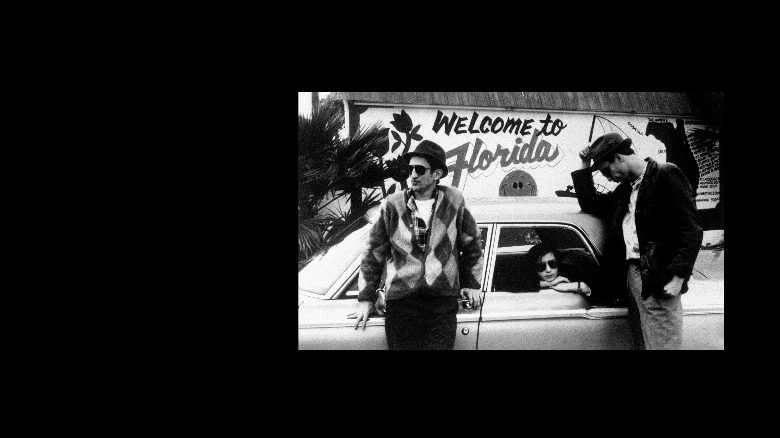
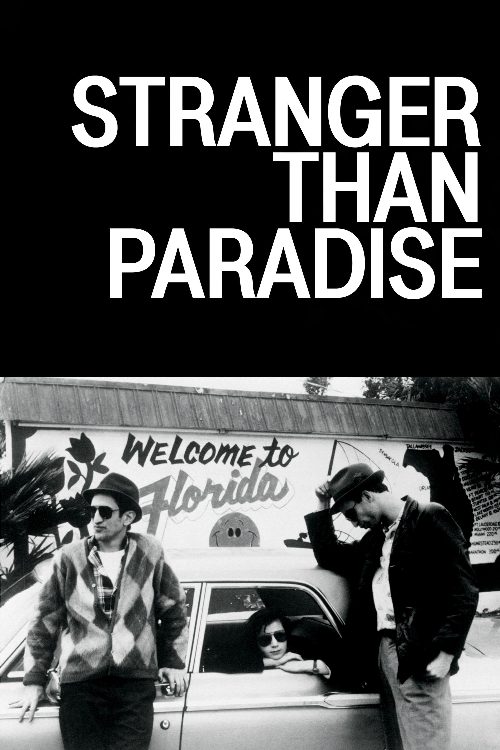
New York layabout Willie forms an unexpected bond with his young Hungarian cousin Eva when she pays him a surprise visit. Later, Eva moves in with their aunt in Cleveland, and Willie takes his best friend Eddie to see her—a visit that culminates in a strange, eventful trip to Florida.
Jim Jarmusch's 1984 independent cinematic gem, Stranger Than Paradise, unfurls a unique narrative tapestry, exploring themes of alienation, belonging, and the elusive American dream through a lens both minimalist and profoundly observational. This black-and-white feature, a cornerstone of American independent cinema, masterfully captures the drifting lives of its characters, eschewing conventional plot propulsion for a series of vignettes that reveal deeper truths about human connection and the search for meaning in the mundane. Its distinct aesthetic and narrative approach immediately set it apart, establishing Jarmusch as a singular voice in filmmaking, one keenly attuned to the rhythms of everyday existence and the quiet dramas unfolding beneath the surface.
The film traces the meandering journey of Willie, a young man navigating the aimless existence of a New York City slacker, whose solitary routine is disrupted by the unexpected arrival of his Hungarian cousin, Eva. Their initial awkwardness gradually gives way to a fragile camaraderie, a bond that becomes the emotional anchor of the story. This dynamic deepens when Willie, accompanied by his friend Eddie, travels to Cleveland to visit Eva, who has since relocated. What begins as a simple reunion evolves into an impromptu road trip to Florida, a journey that, far from offering escape or resolution, merely amplifies their existing sense of displacement. Jarmusch's signature style, characterized by long takes, static shots, and a deliberate pace, emphasizes the stark beauty and often humorous absurdity of their interactions and surroundings.
Stranger Than Paradise is a film for discerning viewers who appreciate character-driven narratives over fast-paced action, and those drawn to films that invite contemplation rather than providing easy answers. Fans of European art-house cinema or the independent movement of the 1980s will find much to admire in its understated charm and intellectual depth. Jarmusch, whose subsequent works like Down by Law and Ghost Dog: The Way of the Samurai further cemented his reputation for crafting idiosyncratic tales, here introduces his recurring motifs of outsiders, cultural clashes, and the poignant humor found in life's quiet moments. Lead actor John Lurie, a frequent collaborator with Jarmusch, embodies Willie with a nonchalant cool that perfectly complements the film's laconic tone, making this an essential watch for anyone interested in the evolution of independent filmmaking.
Cast(11)