About Süss, the Jew
Nazi historical drama about Duke Karl Alexander of Württemberg and his treasurer Süß Oppenheimer.
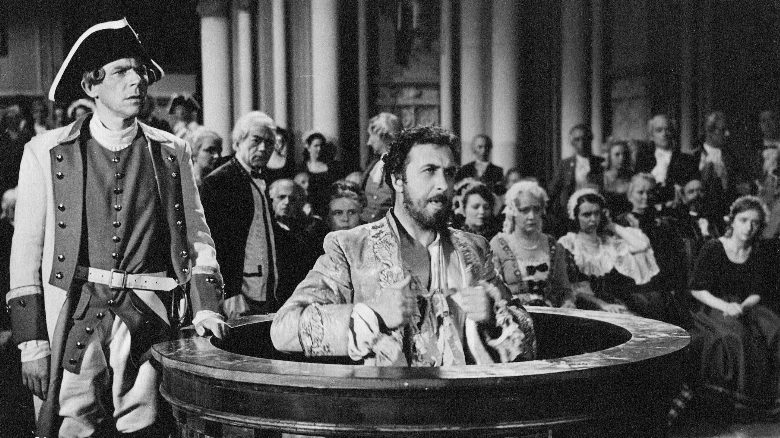
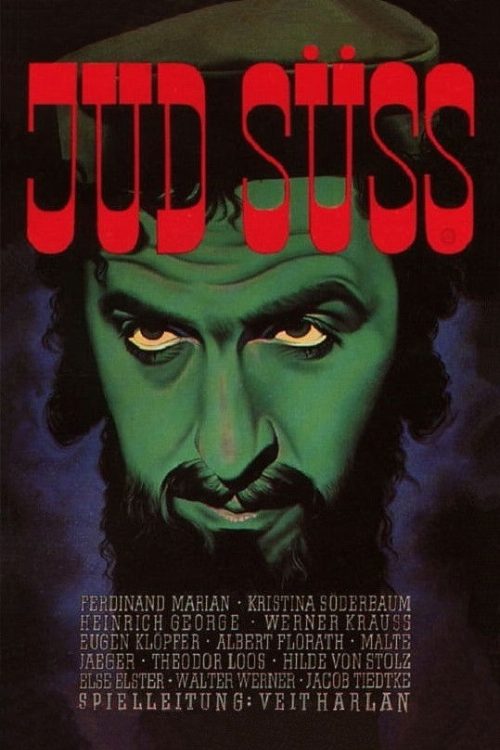
Few cinematic artifacts serve as a more chilling testament to the power of state-sanctioned propaganda than the 1940 production Suss, the Jew. While modern global audiences, particularly those accustomed to the nuanced storytelling of contemporary Indian cinema where historical narratives are often dissected for their sociopolitical implications, might view this film as a mere relic, its historical weight remains undeniable. Directed by Veit Harlan, the project functions as a calculated exercise in weaponized historical revisionism. It centers on the volatile power dynamic between Duke Karl Alexander of Wurttemberg and his financial advisor, Joseph Suss Oppenheimer, distorting the reality of the 18th-century setting to align with the extremist ideology of the German regime at the time. By framing these figures within a narrative of corruption and social upheaval, the filmmakers sought to manipulate public perception, creating a dark milestone in the history of visual media.
Analyzing this film requires a firm separation of craft from content. From a technical standpoint, the production values are undeniably high for the era, utilizing expansive sets and period-accurate costuming to lend an air of authenticity to its false claims. However, it is precisely this polished veneer that makes the work so dangerous. It stands in stark contrast to the way today’s filmmakers in industries like Tollywood or Bollywood might approach a period piece, where the goal is often to reclaim history or celebrate regional identity rather than to dehumanize a specific group. For students of film history, this title serves as a mandatory, if deeply uncomfortable, case study in how the medium can be hijacked to propagate hate. It remains a grim reminder of how art can be stripped of its humanity to serve political masters, making it a film that is watched today primarily for its cautionary value.
Those who choose to engage with this piece of history will find a haunting display of how institutional influence can dictate the flow of cultural narratives. It is not an entertainment vehicle in any traditional sense, nor does it offer the emotional resonance found in the dramatic arcs of modern Indian cinema. Instead, it offers a stark look at the machinery of systematic exclusion. Viewers interested in the intersection of politics and entertainment will find it a chilling look at a dark era, though it is certainly not for the casual moviegoer. By understanding the mechanisms behind such propaganda, audiences can better appreciate the importance of historical integrity in the films of the present day, recognizing the responsibility that creators hold when they choose to depict the past.
Cast(51)