About Tange Sazen
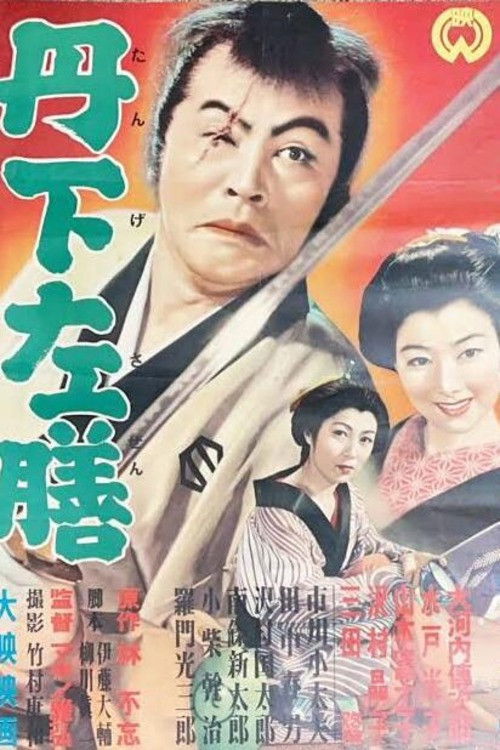
The first film in the Daiei series. At the command of Lord Aiba, Tange Sazen targets two famous swords owned by Onozuka Tessai.
Stepping into the world of Japanese period cinema from the early fifties offers a fascinating window into how historical legends were reimagined for post-war audiences. Tange Sazen, directed by Sadatsugu Matsuda, represents a landmark moment for Daiei Film as it launched a long-running series centered on one of the most iconic anti-heroes in samurai folklore. The narrative revolves around a high-stakes mission involving the retrieval of legendary blades, pitting the titular protagonist against the formidable Onozuka Tessai under the orders of Lord Aiba. Unlike the stoic, idealized warriors often found in traditional jidaigeki, this version of the character leans into a grittier, more cynical persona that resonated deeply with the societal shifts occurring in Japan during the mid-twentieth century.
For enthusiasts of Indian cinema who appreciate the stylistic flourishes of historical epics or the intensity of action-heavy dramas, this film serves as a compelling study in kinetic choreography and atmospheric tension. The portrayal of a scarred, one-armed swordsman navigating a web of political treachery feels reminiscent of the rugged vigilantes often seen in classic Telugu and Tamil action cinema, where the hero relies on sheer willpower and unorthodox combat skills to overcome overwhelming odds. Denjiro Okochi commands the screen with a physicality that transcends the era’s technical limitations, grounding the fantastical elements of the lore in a palpable sense of danger. The supporting cast, including Mitsuko Mito and Fujiko Yamamoto, adds layers of intrigue, ensuring that the swordplay is balanced by the complex personal motivations that drive the characters.
Viewers who enjoy character-driven period pieces will find much to admire in the way the film balances its rapid-fire action sequences with the rigid etiquette and moral dilemmas of the Edo period. It is an essential watch for those interested in the evolution of the samurai archetype, providing a bridge between the theatrical stylings of the pre-war era and the more visceral, realistic depictions of violence that would define later decades. While modern audiences are accustomed to high-budget digital spectacles, there is an undeniable charm in the practical effects and sharp editing that define this production. By focusing on the internal conflict of a man living on the fringes of society, the film remains a timeless example of how genre cinema can explore themes of loyalty, greed, and individual redemption within a historical framework.
Crew
Director
Screenplay
Director of Photography
Music
Similar Films