About The Bells of Death
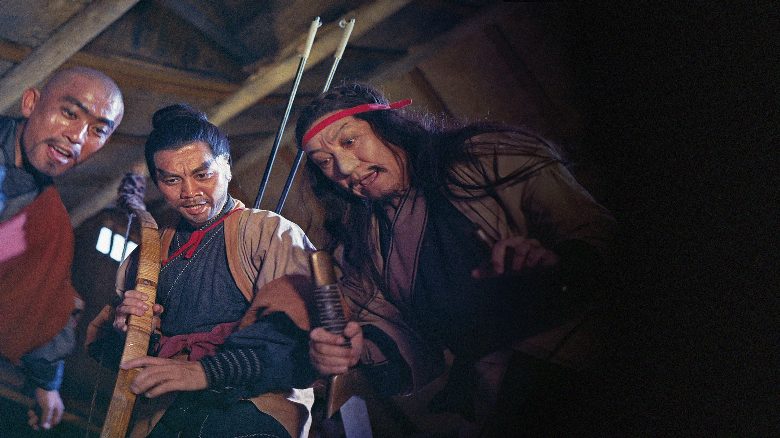
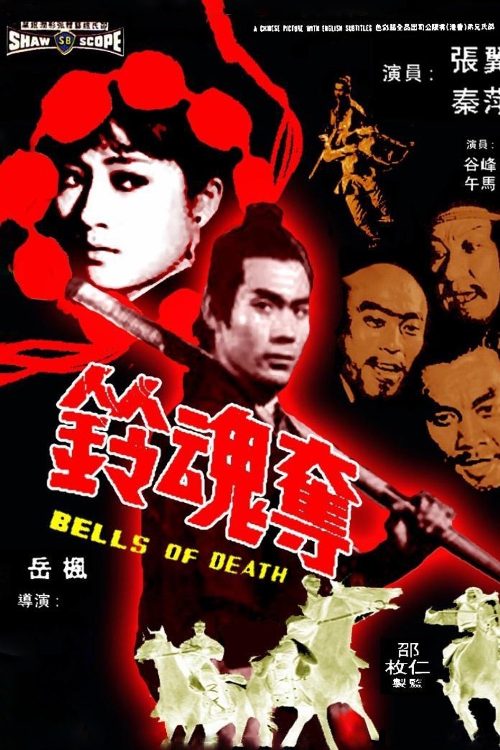
A simple woodcutter named Wei Fu finds his world shattered when three murderous horsemen arrive to kill his family and kidnap his sister. Left with nothing but his mother’s bell-laden bracelet, he sets out to seek his revenge. Lucky for him, Wei Fu encounters a master swordsman, who takes him under his wing.
The 1968 cinematic landscape was defined by high-octane martial arts narratives that prioritized visceral vengeance over complex character studies, and The Bells of Death remains a quintessential example of this kinetic era. Directed by Griffin Yueh Feng, the film captures the raw intensity of a genre in its prime, grounding its central conflict in the primal drive for retribution. By focusing on a woodcutter thrust into a violent underworld, the story strips away the ornamental tropes of period pieces to reveal a lean, hungry narrative about loss and the heavy price of blood justice. It functions as a foundational text for anyone interested in how the Shaw Brothers style shaped the global action aesthetic, offering a glimpse into the structural DNA of the revenge epics that would later inspire generations of filmmakers across Asia.
What sets this production apart from its contemporaries is the atmospheric use of its titular motif, which transforms a simple personal trinket into a haunting harbinger of doom. For viewers accustomed to the polished choreography of modern Telugu or Hindi action hits, this film offers a fascinating look at the roots of stylized combat. The progression of the protagonist from an unassuming laborer to a lethal force under the guidance of a seasoned warrior mirrors the classic mentor-student arcs seen in iconic South Indian cinema, where the transformation of the lead character serves as the emotional engine of the plot. The film excels at establishing a sense of inevitable dread, keeping the stakes personal even as the body count rises during the protagonist's relentless pursuit of those who destroyed his life.
This is a must-watch for cinephiles who appreciate the historical evolution of the action film and the gritty, no-nonsense storytelling that preceded the high-budget spectacle of the current era. It serves as a stark reminder that some of the most compelling stories are built on the simplest foundations: a man with nothing left to lose and a singular goal that demands everything from him. The pacing is deliberate, favoring building tension through isolation and environmental storytelling rather than constant noise. For those who enjoy films that explore the intersection of moral decay and individual vengeance, the work of Griffin Yueh Feng provides a masterclass in economy and impact. It remains a vital piece of international film history that continues to resonate with anyone who values the intersection of traditional drama and high-stakes physical performance.
Cast(40)




Crew
Producer
Director of Photography
Editor
Art Direction
Costume Design
Makeup Artist
Sound Recordist
Original Music Composer
Writer
Similar Films