
About The Devils
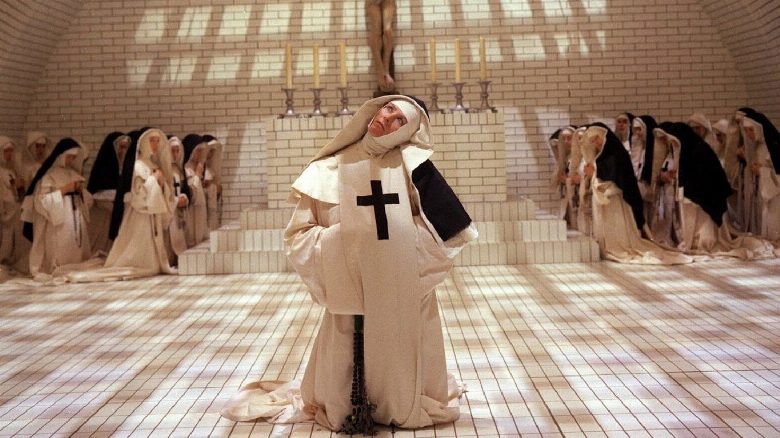
Father Urbain Grandier’s unorthodox views of sex and religion make him a polarizing figure in 17th-century France. His outspokenness has amassed a passionate following of nuns and a respected reputation for protecting the city of Loudon from corruption. Grandier’s influence is then undermined following a sexually repressed nun’s accusation of witchcraft.
Ken Russell remains a singular force in the history of British cinema, and his 1971 masterpiece The Devils stands as a visceral examination of power, hysteria, and the corruption of institutions. By transporting audiences to a seventeenth-century French town, the film meticulously constructs a nightmare where theological debates and political maneuvering descend into a frenzy of public mania. At the center of this storm is a charismatic priest whose refusal to submit to the demands of the state and the church marks him as a target for those who thrive on fear. The narrative functions as a brutal mirror to any society where individual liberty is sacrificed at the altar of religious or political dogma, making it feel startlingly relevant even decades later.
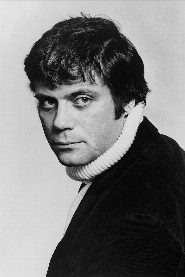
The film is anchored by a ferocious performance from Oliver Reed, who brings a rugged, defiant complexity to the role of the beleaguered protagonist. Opposite him, Vanessa Redgrave delivers a haunting portrayal of a woman whose psychological fracture is exploited by those seeking to consolidate their own authority. While the aesthetic sensibility of the production leans into a grand, operatic intensity often associated with European arthouse cinema of the seventies, it possesses the narrative urgency of a modern political thriller. Its visual language, characterized by stark architectural contrasts and intense close-ups, creates a claustrophobic atmosphere that forces the viewer to confront the ugly underbelly of mass hysteria.
For those who enjoy films that challenge the boundaries of historical drama, this work offers an uncompromising experience. It is not a typical period piece but rather a raw, unflinching look at how truth is often the first casualty when institutional survival is at stake. The film serves as a precursor to the intense character studies found in contemporary global cinema, where directors use historical settings to comment on the cyclical nature of human malice. Moviegoers who appreciate bold directorial choices, strong thematic depth, and performances that push the limits of psychological realism will find this a compelling, if deeply unsettling, watch. It remains a definitive example of how cinema can serve as a potent instrument of social critique, ensuring its place in the canon of essential viewing for any serious student of film history.
Cast(34)