About The Gospel According to St. Matthew
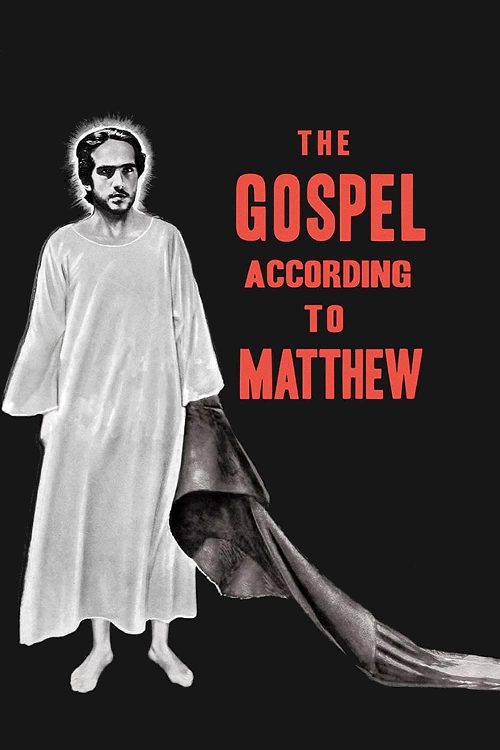
Along a rocky, barren coastline, Jesus begins teaching, primarily using parables. He attracts disciples; he's stern, brusque, and demanding. His parables often take on the powers that be, so he and his teachings come to the attention of the Pharisees, the chief priests, and elders. They conspire to have him arrested, beaten, tried, and crucified, just as he prophesied to his followers.
Pier Paolo Pasolini transformed the cinematic depiction of religious history by stripping away the polished, ornamental aesthetics that dominated the genre during the mid-twentieth century. Instead of relying on the grand, sweeping spectacles favored by Hollywood studios of the era, this Italian masterpiece opts for a raw, documentary-style approach that feels remarkably modern. Filmed on location in the rugged landscapes of southern Italy, the movie captures a stark, unforgiving environment that mirrors the austere nature of its protagonist. For viewers accustomed to the polished gloss of contemporary epics, the film offers a challenging, ground-level perspective that prioritizes historical grit over religious iconography.
This approach resonates deeply with the current shift in global cinema, where audiences are increasingly gravitating toward authentic, grounded storytelling over artificial artifice. Much like the recent wave of gritty, realist dramas emerging from the Malayalam and Tamil film industries, this work avoids theatrical exaggeration in favor of a focused, intense character study. By casting non-professional actors who possess lived-in faces and naturalistic cadences, the director creates an atmosphere of immediacy that feels more like a historical record than a stylized interpretation. The central performance is particularly striking for its refusal to rely on traditional tropes of benevolence; instead, the narrative presents a figure of uncompromising conviction who challenges the social order with a blunt, revolutionary fervor.
Those who appreciate cinema as a tool for social and political commentary will find this film essential viewing. It positions the narrative not merely as a retelling of ancient events, but as a meditation on the friction between revolutionary ideals and the rigidity of institutional power. Because it eschews the sentimental tone often associated with such material, it appeals to cinephiles who value formal experimentation and directors who possess a singular, uncompromising vision. The film serves as a reminder that the most compelling stories are often those that look directly at the harsh realities of their setting rather than dressing them in the costumes of grandeur. It remains a foundational piece of world cinema, standing as a testament to the power of minimalist filmmaking to convey profound, complex truths without the need for excessive production design or conventional narrative comfort.
Cast(32)




Crew
Costume Design
Production Design
Editor
Writer
Assistant Makeup Artist
Production Manager
Camera Operator
Assistant Production Design
Sound Mixer
Similar Films