
The Greatest Man in the World(1932)
About The Greatest Man in the World
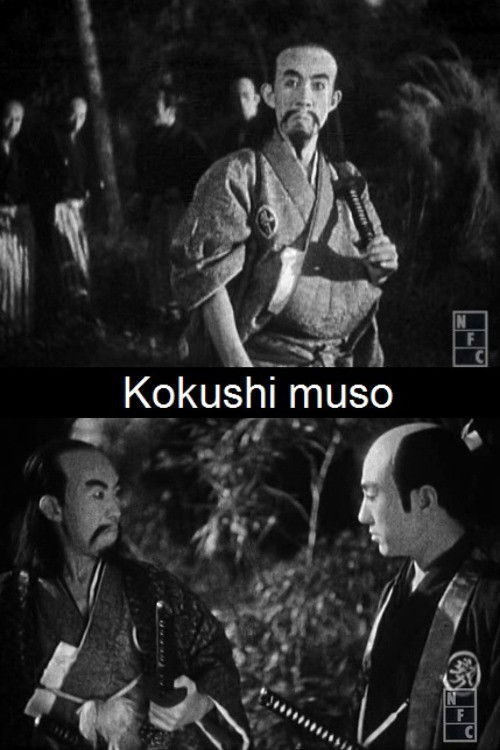
In the midst of the depression, two ronin rack their brains to come up with a dishonest scheme. Taking a man from the countryside, they fashion him into Ise Isenokami, the finest swordsman under the sun. Pretending to be his followers, they visit various sword fighting dojo. Out of fear upon hearing the name Isenokami, they pay him off and do not let him enter their training halls. The impostor eventually comes face to face with the real Isenokami after rescuing his daughter, Oyae, who is caught up in a minor incident.
Mansaku Itami holds a singular position in the history of Japanese cinema, often recognized for his ability to blend biting social satire with the rigid structures of the jidaigeki period drama. The Greatest Man in the World offers a fascinating look at the economic anxieties of the early 1930s, transposing the harsh realities of the Great Depression into the world of roaming warriors and local dojos. Rather than relying on the traditional stoicism associated with samurai epics, the film centers on a pair of down on their luck wanderers who concoct a flamboyant deception. By grooming a naive country bumpkin to play the role of an legendary master swordsman, the duo exploits the reputation of a mythical figure to extort local training halls. It is a cynical yet deeply comedic exploration of how easily authority can be manufactured through public perception and the fear of a name.
For viewers accustomed to the high intensity of contemporary action cinema or the intense character dramas often highlighted in modern Indian film coverage, this 1932 production provides a refreshing change of pace. It functions as a proto-heist movie, where the primary weapon is not a blade but a carefully maintained facade. The film serves as a testament to the versatility of Chiezo Kataoka, a titan of the era whose screen presence allows the narrative to oscillate between farcical humor and genuine tension. The inclusion of Isuzu Yamada adds a layer of classic period drama gravitas, grounding the absurdity of the impostor plot when the narrative eventually forces a collision with the genuine article.
This story will particularly resonate with those who enjoy character-driven comedies about con artists, as the film prioritizes the chemistry between the schemers and their reluctant puppet over traditional combat choreography. It stands out for its lack of reverence toward the samurai ideal, choosing instead to highlight the desperate measures taken by common people during a period of widespread financial instability. As a piece of classic Japanese filmmaking, it remains an essential watch for students of the medium who want to see how early directors challenged genre tropes. The film is not merely a historical curiosity but a sharp, witty observation on the performance of power, proving that the greatest legends are often just stories told convincingly enough to make others tremble.