About The Human Goddess
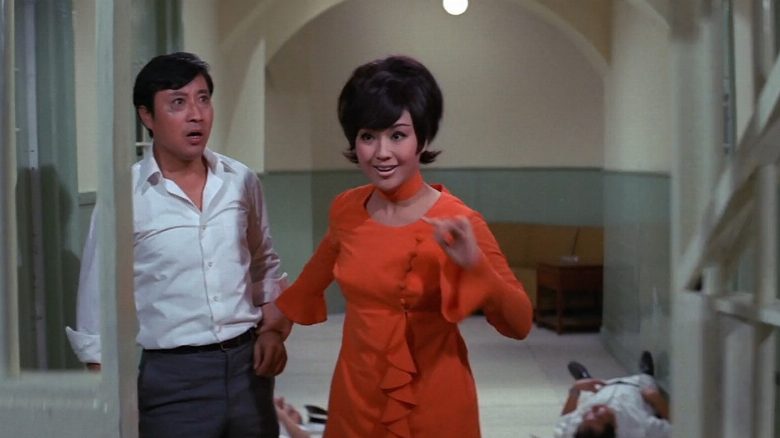
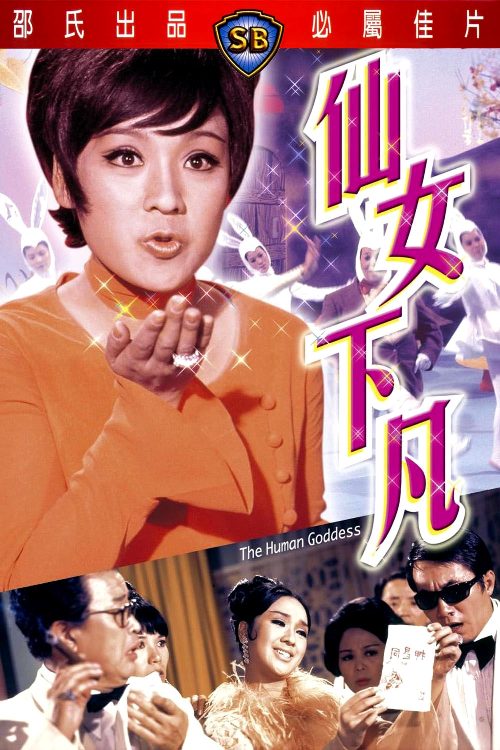
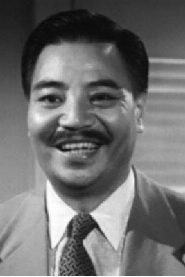
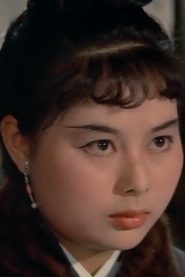
Li Ching is the Seventh Sister, an angel who comes down from heaven to see what life in Hong Kong is like. In Hong Kong, she runs into Zili(Chin Feng), a reincarnated version of her deceased lover, Dong Yong. Zili, with help from cook Uncle Bull(the warm, portly Peng Peng), do their best to watch over homeless kids in an run-down orphanage. However, a heartless tycoon named Xu Caifa wants the land where the orphanage is and he's willing to go to extremes to get it. Armed with omnipotent powers, spirit, and help from her "celestial sisters", Seventh Sister works to defend Zili, Uncle Bull, and the orphans from Xu Caifa.
Stepping away from the gritty realism that defined much of early seventies cinema, The Human Goddess emerges as a delightful relic of the Shaw Brothers era, blending whimsical fantasy with the grounded struggles of urban survival. While contemporary audiences might be accustomed to high-stakes supernatural epics, this film takes a more intimate approach, casting a divine protagonist into the chaotic sprawl of Hong Kong. By grounding its ethereal elements in the plight of a vulnerable orphanage facing displacement, the film manages to find a rare balance between musical lightheartedness and a poignant critique of unchecked commercial greed. It represents a fascinating intersection of folklore and modern social commentary, reflecting the anxieties of a rapidly developing city through the lens of a lighthearted celestial fable.
The narrative centers on a heavenly visitor who descends from the clouds to experience mortal existence, only to discover her past lover reincarnated as a caretaker for displaced children. This premise allows the production to lean into its comedy and music-driven roots, utilizing the contrast between divine intervention and the harsh realities of property development. For viewers who appreciate the vibrant aesthetic of vintage Hong Kong cinema, the film offers a charming snapshot of a bygone era. It is particularly striking how the production integrates the performance of Pang Pang as the benevolent cook, providing a necessary anchor of warmth amidst the supernatural antics and the machinations of the film’s villainous tycoon. The presence of Dean Shek Tin further adds to the character-driven appeal, ensuring that the supporting cast feels as memorable as the mystical protagonist.
This piece of cinema is best suited for fans of classic fantasy who enjoy a touch of whimsy mixed with earnest storytelling. It eschews the dark, brooding tone common in many period dramas in favor of a spirited, ensemble-led adventure that feels both nostalgic and refreshingly unpretentious. Those interested in the evolution of genre filmmaking will find the interplay between the celestial sisters and the earthly conflicts to be a hallmark of the imaginative spirit that characterized the industry at the time. By focusing on the struggle to save a home from cold-hearted corporate ambition, the film resonates with universal themes of protection and community, making it a compelling watch for anyone looking to explore the lighter side of international film history. It stands as a testament to a time when directors were unafraid to mix magical realism with the everyday joys and sorrows of humanity.
Cast(21)













Crew
Similar Films