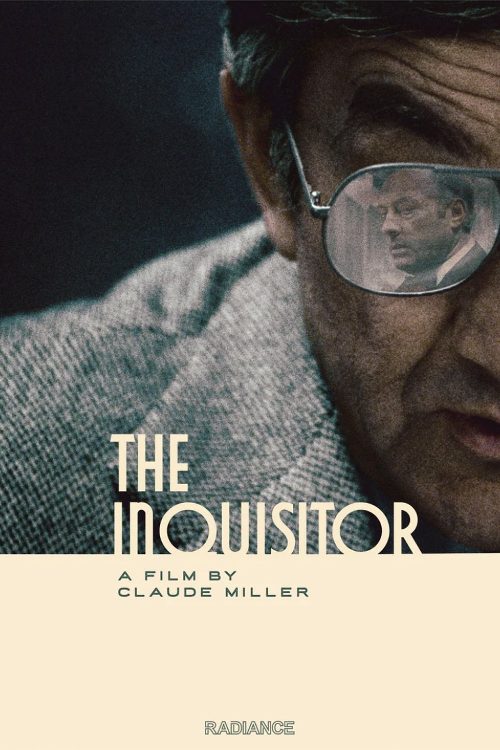
The Inquisitor(1981)
About The Inquisitor
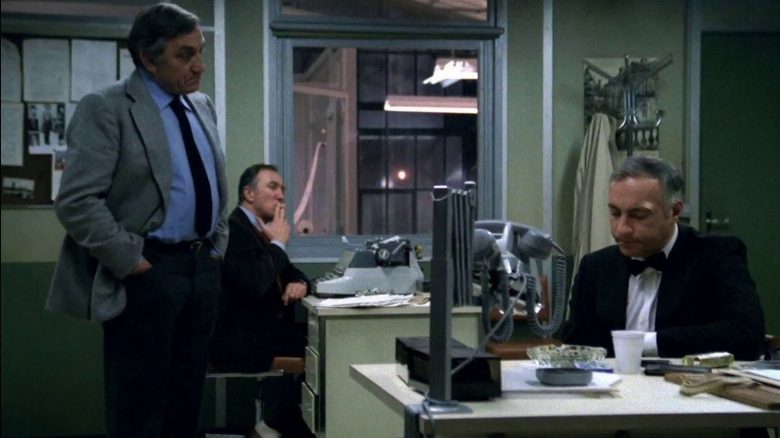
Martinaud, an illustrious notary suspected of being the perpetrator of two horrendous crimes, voluntarily agrees to be questioned by Inspector Gallien on New Year's Eve. What initially is a routine procedure, soon becomes a harsh interrogation that seems to confirm the initial suspicions.
Few cinematic experiences capture the claustrophobic tension of a psychological duel quite like the 1981 French thriller The Inquisitor. While global audiences often associate the crime genre with high-octane chases or elaborate set pieces, this film strips the medium down to its rawest form: two men, a desk, and a relentless exchange of words. By anchoring the entire narrative within the confines of a single room during a bleak New Year Eve, the production transforms a standard investigative procedure into a profound exploration of human frailty and the masks we wear in polite society. For fans of Indian cinema who appreciate the dialogue-heavy intensity seen in recent Malayalam investigative dramas or the character-driven suspense of classic noir-inspired thrillers, this film serves as a masterclass in building dread without ever firing a shot.
The dynamic between the central figures is what elevates the material beyond a typical procedural. Michel Serrault delivers a performance that demands the viewer weigh every syllable, portraying a man of status whose composure is systematically dismantled by the probing questions of the inspector. This collision of social standing and institutional authority resonates deeply with the thematic preoccupations found in contemporary world cinema, where the true conflict frequently lies in the power struggle between the interrogator and the subject. It is a slow-burn experience that requires patience, as the director relies on subtle shifts in lighting and framing to signal the erosion of defenses rather than external action.
Viewers who gravitate toward films that prioritize intellectual stimulation over spectacle will find much to admire here. It is an ideal recommendation for those who enjoy stories where the antagonist is not a physical threat but a mirror reflecting the hidden darkness of the protagonist. Given the current trend of Indian regional industries leaning into darker, more morally ambiguous storytelling, looking back at European classics like this provides a fascinating perspective on how tension can be sustained entirely through performance. The film does not offer easy answers, instead inviting the audience to act as a silent juror in a case where truth is as elusive as the festive spirit outside the station walls. Anyone interested in the mechanics of screenwriting and the art of the verbal standoff will find this a vital addition to their watchlist, proving that the most terrifying confrontations are often the ones held in total stillness.
Cast(13)