About The Invisible Half
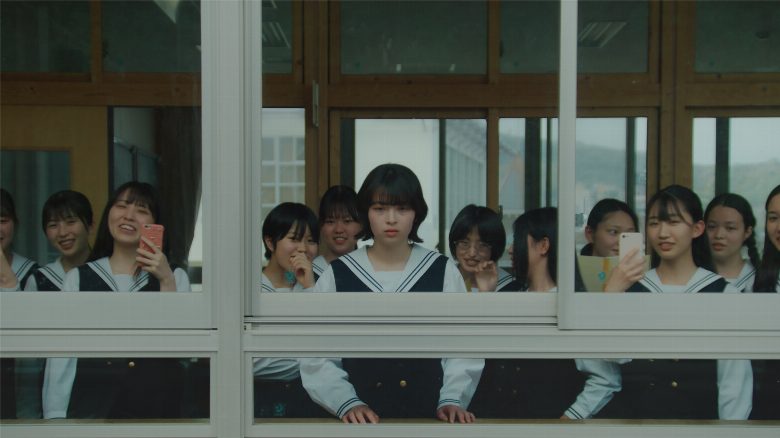
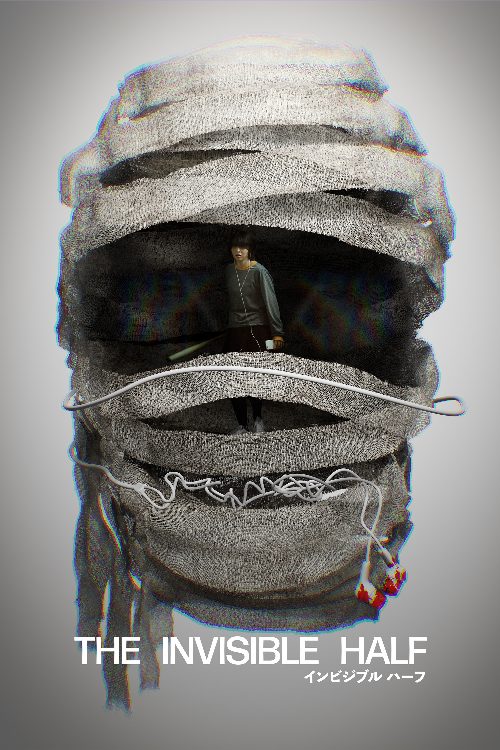
Elena, a "half" Japanese high school girl, struggles with her identity. While constantly watched, she discovers she's also being watched by something else—a monster that can only be seen through her smartphone and heard through her earphones.
Modern Japanese horror often thrives at the intersection of technological anxiety and personal isolation, and The Invisible Half positions itself as a compelling entry in this tradition. The story centers on Elena, a teenager navigating the complexities of her mixed cultural heritage while attending a high school environment that feels increasingly alienating. Rather than relying on traditional jump scares, the film utilizes the ubiquity of mobile devices to construct a claustrophobic atmosphere. By linking a supernatural threat to the very tools used for communication and self-expression, the narrative forces the audience to reconsider the boundaries of their own digital lives. It is a sharp, contemporary take on the genre that transforms mundane hardware into a conduit for genuine dread.
This film arrives at a time when global audiences are showing renewed interest in Japanese genre cinema that explores the psychological weight of youth culture. For viewers who appreciate the slow-burn intensity of classic J-horror, this project offers a refreshing shift by grounding its terror in the lived experience of its protagonist. The choice to focus on an identity-based struggle provides a layer of emotional resonance that is often missing from tech-centric thrillers. The performances by Lisa Siera, Miyu Okuno, and Runa Hirasawa appear to lean into the vulnerability of their characters, ensuring that the human stakes remain high even as the paranormal elements intensify. It is an ideal watch for those who enjoy stories that blend social commentary with high-concept suspense.
The direction emphasizes a visceral, sensory experience, particularly through the clever manipulation of audio cues that suggest a presence just outside the frame of the screen. As the protagonist moves through her daily routine, the realization that her smartphone serves as both a tether to the world and a window into a hidden nightmare creates a persistent sense of unease. By isolating Elena within her own perception, the film effectively conveys the feeling of being an outsider in one’s own society. This is not merely a ghost story but a sophisticated exploration of visibility and the hidden fears that accompany the search for belonging. Audiences looking for a film that lingers in the mind long after the credits roll will find much to dissect in this haunting, tech-forward nightmare.