
The Kingdom of Jirocho 2(1963)
About The Kingdom of Jirocho 2
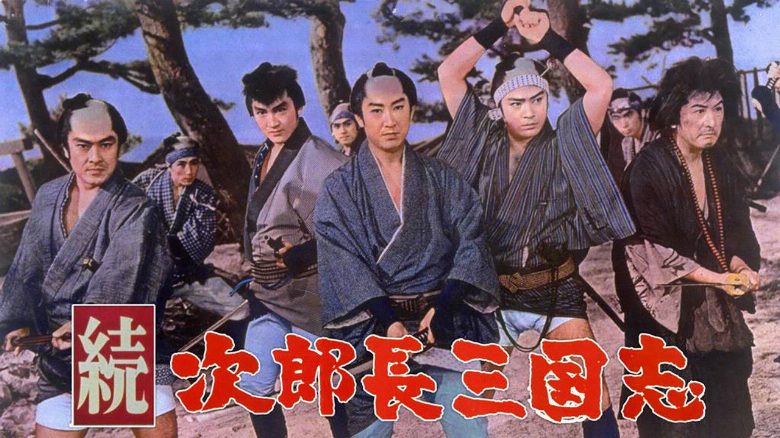
Jirocho and his henchmen befriend Ishimatsu, a wanderer in Mishima.
The landscape of classic Japanese cinema often finds its most compelling energy not in grand historical epics, but in the gritty, character-driven tales of itinerant wanderers and loyalty. In The Kingdom of Jirocho 2, the narrative leans heavily into the traditions of the yakuza film genre, centering on the storied figure of Jirocho and his dedicated band of followers. While modern audiences might be more accustomed to the high-octane stylistic shifts seen in contemporary Indian action cinema, this 1963 production offers a grounded, period-accurate exploration of brotherhood and the shifting social dynamics of the Edo era. The film distinguishes itself by focusing on the friction between established local power structures and the arrival of an outsider, Ishimatsu, whose presence acts as a catalyst for both camaraderie and inevitable conflict.
For those who appreciate the rhythmic storytelling found in Telugu or Tamil folk dramas, this film will feel surprisingly resonant. It taps into the universal language of the underdog narrative, where the strength of a leader is measured by the devotion of his subordinates. The cultural significance of Jirocho as a folk hero in Japan mirrors the way regional Indian industries often elevate local legends into mythic, larger-than-life figures. Ryota Minowada and his ensemble cast bring a steady, disciplined intensity to the screen, capturing the stoicism that defined the era of post-war Japanese filmmaking. Rather than relying on modern spectacle, the director emphasizes the quiet tension of the open road and the precarious nature of life among those living outside the strict confines of the law.
This sequel serves as a testament to the enduring appeal of the Jirocho saga, which provided a reliable template for exploring themes of justice and morality during a period when Japanese studios were perfecting the craft of the genre piece. Viewers who enjoy historical dramas that prioritize atmosphere and interpersonal loyalty over complex plotting will find much to admire here. It is a work designed for the patient cinephile who values the authenticity of vintage cinematography and the classic performances of a bygone generation. By positioning its characters in the dusty, unforgiving landscape of Mishima, the film creates a vivid sense of place that anchors its interpersonal drama, proving that even decades later, the dynamics of a wandering brotherhood remain a potent hook for global audiences interested in the roots of cinematic action storytelling.