The Last Princess(2008)
About The Last Princess
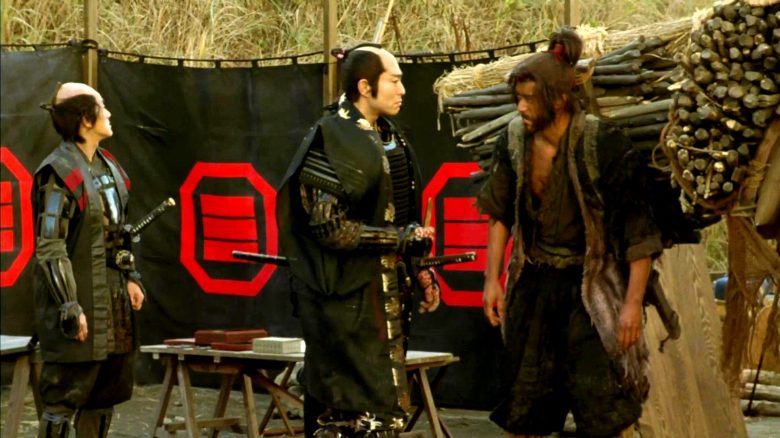
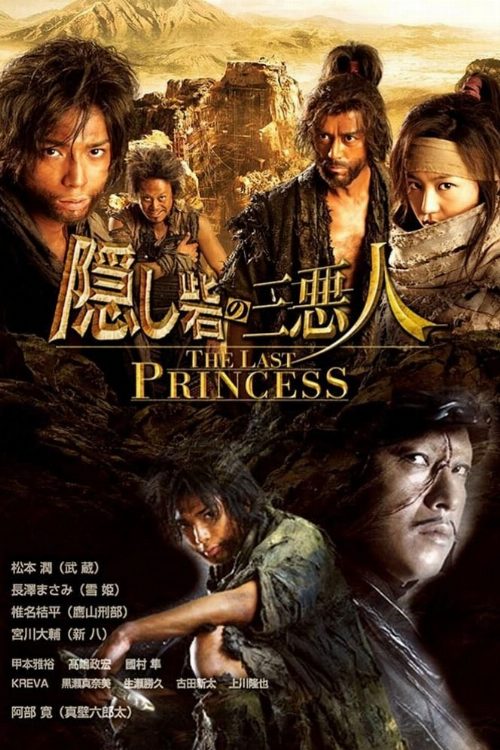
After the Akizuku clan fall in defeat to rival clan Yamana, Princess Yuki and General Rokurota take cover in a hidden fortress, along with their clan and gold treasury. Fortuitously stumbling into the hideaways, brash young miner Takezo and his bumbling sidekick Shinhachi hatch a daring plan to help transport the gold out of enemy terrain – in exchange for a share of the stash, of course. With assassins hot in pursuit, Yuki disguises as a male and ventures into the real world with Rukurota and her peasant companions, getting her first taste of danger, toil, and budding romance with the strong-minded and willful Takezo.
Stepping into the landscape of Japanese period cinema often feels like revisiting the foundational DNA of global adventure storytelling, and The Last Princess serves as a fascinating bridge between classic tropes and modern kinetic energy. Directed by Shinji Higuchi, a visionary known for his expertise in visual spectacle, this film reimagines a legendary cinematic template with a fresh infusion of pace and character-driven stakes. While it occupies the historical action genre that is a staple of Japanese filmmaking, it eschews the ponderous nature of traditional epics in favor of a brisk, high-stakes journey. The narrative centers on a fallen royal figure forced into the shadows by a ruthless rival clan, setting the stage for a dangerous trek across hostile territory where gold and survival are the only currencies that matter.
What distinguishes this production is the dynamic pairing of the regal and the roguish. The inclusion of two opportunistic commoners, whose primary motivation is greed rather than duty, provides a refreshing contrast to the stoic nobility usually found in such tales. This push and pull between the pragmatic, sometimes bumbling duo and the sheltered princess creates a grounded emotional core amidst the backdrop of relentless pursuit. For audiences accustomed to the sweeping, sometimes slow-burn nature of historical dramas, this feature offers a more immediate, visceral experience. It functions as a character study disguised as an escape thriller, inviting viewers to witness how class boundaries dissolve when the constant threat of steel and capture looms overhead.
The casting choices further solidify the film as a standout entry in its genre, with Hiroshi Abe bringing a seasoned gravitas that grounds the more frantic sequences. Fans of Japanese action cinema will appreciate how Higuchi utilizes his background in special effects to elevate the tactical skirmishes without overshadowing the human element. The film is perfectly suited for viewers who enjoy a blend of witty banter and high-stakes maneuvering, particularly those who have an interest in how legacy stories can be revitalized for a contemporary audience. By stripping away the stuffiness often associated with period pieces, the director manages to craft an accessible, high-octane adventure that values the chemistry between its unlikely band of travelers as much as it values the expertly choreographed sequences of flight and defense. It is a compelling example of how regional history can be transformed into universal entertainment through clever pacing and charismatic performances.