About The Messenger
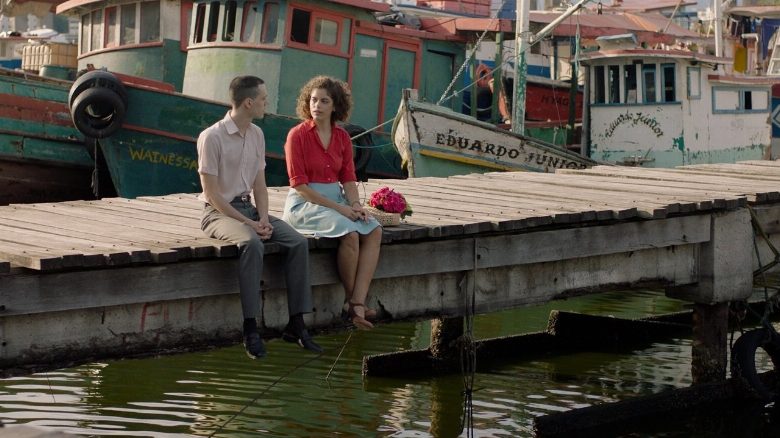
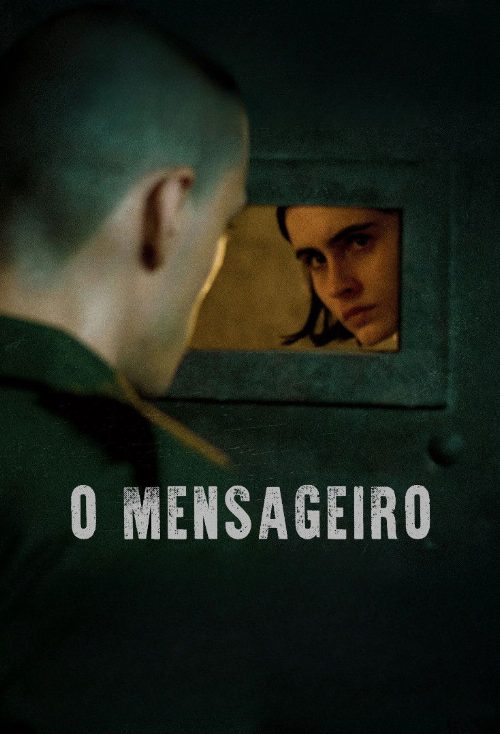
Vera, imprisoned at a military fortress during the dictatorship, 1969, get to know a soldier, Armando, who, in the face of torture, decides to take messages from Vera to his family and establishes an affective relationship with D. Maria, Vera’s mother. Despite the horrors of the time, the film works on this possibility of a dialogue between two lonely and lost human beings: a high-middle-class lady and a young southerner of rural origin. Today, Vera, aged 70, is a professor at the university, and debates with her students about politics, forgiveness and Hannah Arendt.
The Messenger explores the fragile intersection of human empathy and historical cruelty, placing a deeply intimate narrative against the stark backdrop of Brazil during the late sixties. While contemporary global cinema often examines political trauma through sweeping epics or loud revolutionary acts, this film chooses a whisper-quiet approach. It centers on the unlikely connection between a female prisoner held within a military stronghold and a low-ranking soldier tasked with guarding her. By focusing on the clandestine exchange of letters between the detainee and her mother, the story highlights how basic human kindness serves as a desperate form of resistance when institutional systems demand total dehumanization. This project feels particularly resonant for audiences who appreciate character-driven dramas that prioritize emotional interiority over spectacle, echoing the nuanced storytelling often found in the best of modern Indian parallel cinema, where personal struggle frequently reflects broader societal shifts.
The film successfully bridges two timelines, contrasting the raw, visceral tension of the past with the contemplative perspective of the present. As the protagonist reflects on her experiences while teaching university students, the narrative forces us to confront the uncomfortable reality that some scars never truly fade, even decades after a regime has crumbled. Dan Aguiar and Valentina Herszage anchor the production with performances that rely on subtle gestures rather than theatrical outbursts, ensuring the gravity of their circumstances remains palpable. It is a work that will undoubtedly appeal to viewers who enjoy historical dramas that delve into the psychological cost of authoritarianism. For those who track the international film circuit, this piece stands out as a sophisticated exploration of how trauma shapes memory, positioning itself as a vital addition to the genre of political humanism.
Director Lais Bodanzky brings a distinct sensitivity to this material, moving away from the conventional tropes of the resistance film to focus on the domestic lives caught in the crossfire of national upheaval. By highlighting the socioeconomic divide between the high-status family and the rural soldier, the film adds a layer of class-based complexity that feels both timeless and urgent. It avoids the temptation of easy moralizing, instead asking difficult questions about the nature of forgiveness and the limits of individual agency during periods of state-sanctioned violence. Whether you are a fan of South American political dramas or simply someone who appreciates a well-crafted script that respects the intelligence of its audience, this film serves as a poignant reminder that even in the darkest chapters of history, the smallest acts of communication can spark a profound sense of shared humanity.
Cast(30)