The Mysteries of the Chateau of Dice(1929)
About The Mysteries of the Chateau of Dice
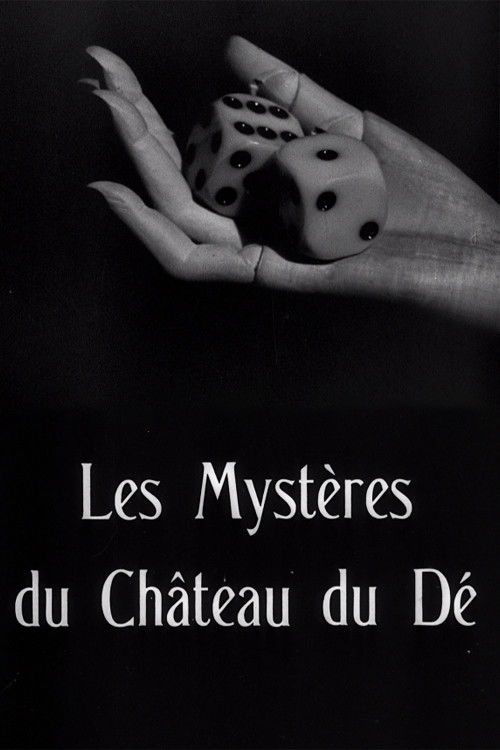
Mannequin hands hold a pair of dice. A castle is perched on a hilltop. Below it, a posh, modern villa. Meanwhile, far from Paris, two men with masked faces play dice in a bar. They decide to drive to Paris. Country roads, hills, fences. The posh "chateau" appears again: meticulous garden, fancy interior, odd sculptures. And at home? "No one, NO ONE." For the next two days, masked figures play dice, frolic by the pool, perform exercises with a ball. Two new figures arrive. Masked. They search and find the dice. They dance. Mannequin hands hold a pair of dice.
Few films from the silent era possess the dreamlike, unsettling texture of The Mysteries of the Chateau of Dice, a short documentary that functions less as a record of reality and more as a surrealist fever dream. Directed by the legendary avant-garde artist Man Ray, the film captures a haunting intersection between high-society leisure and the unpredictable nature of chance. While contemporary Indian cinema often leans into elaborate narratives and emotional operatics, this French masterpiece from 1929 offers a starkly different experience by stripping away dialogue and traditional character development. Instead, it invites the audience to observe a series of enigmatic sequences involving masked figures, geometric architecture, and the omnipresent motif of dice that seems to dictate the fate of everyone involved.
For viewers accustomed to the structured storytelling of modern regional industries like Malayalam or Tamil cinema, this work serves as an essential history lesson in visual experimentation. It avoids the linear progression found in mainstream thrillers, choosing instead to lean into abstract imagery that feels remarkably modern even a century later. By focusing on the interplay between the stark, rigid geometry of a modern villa and the playful, almost chaotic movements of its inhabitants, the director creates a tension that is as intellectual as it is aesthetic. The inclusion of figures whose identities are obscured by masks adds a layer of anonymity that elevates the film from a mere travelogue of a country estate to a profound meditation on human insignificance within a grand, indifferent game.
This film is a perfect study for cinephiles who appreciate the evolution of the moving image and the audacity of early twentieth-century artists who sought to shatter the conventions of the medium. It is an ideal watch for those who enjoy the dark, psychological undercurrents of arthouse projects, as it refuses to provide easy answers or a neat resolution. Even without the spoken word, the rhythmic editing and the deliberate placement of objects create a language of their own. For those who find interest in how directors manipulate perspective and mood, this piece remains a cornerstone of experimental filmmaking. It demands an active imagination, rewarding those who are willing to look past the surface of the villa walls and into the deep, enigmatic puzzles laid out by a director who treated the camera as a brush to paint subconscious desires and existential dread.
Cast(2)

Similar Films